
Gentle, targeted treatment to help restore movement, flexibility, and joint range.
Personalized rehabilitation to help you walk, work, reach, and move with greater confidence.
Hands-on therapy, stretching, and exercises to ease tight muscles and restricted joints.
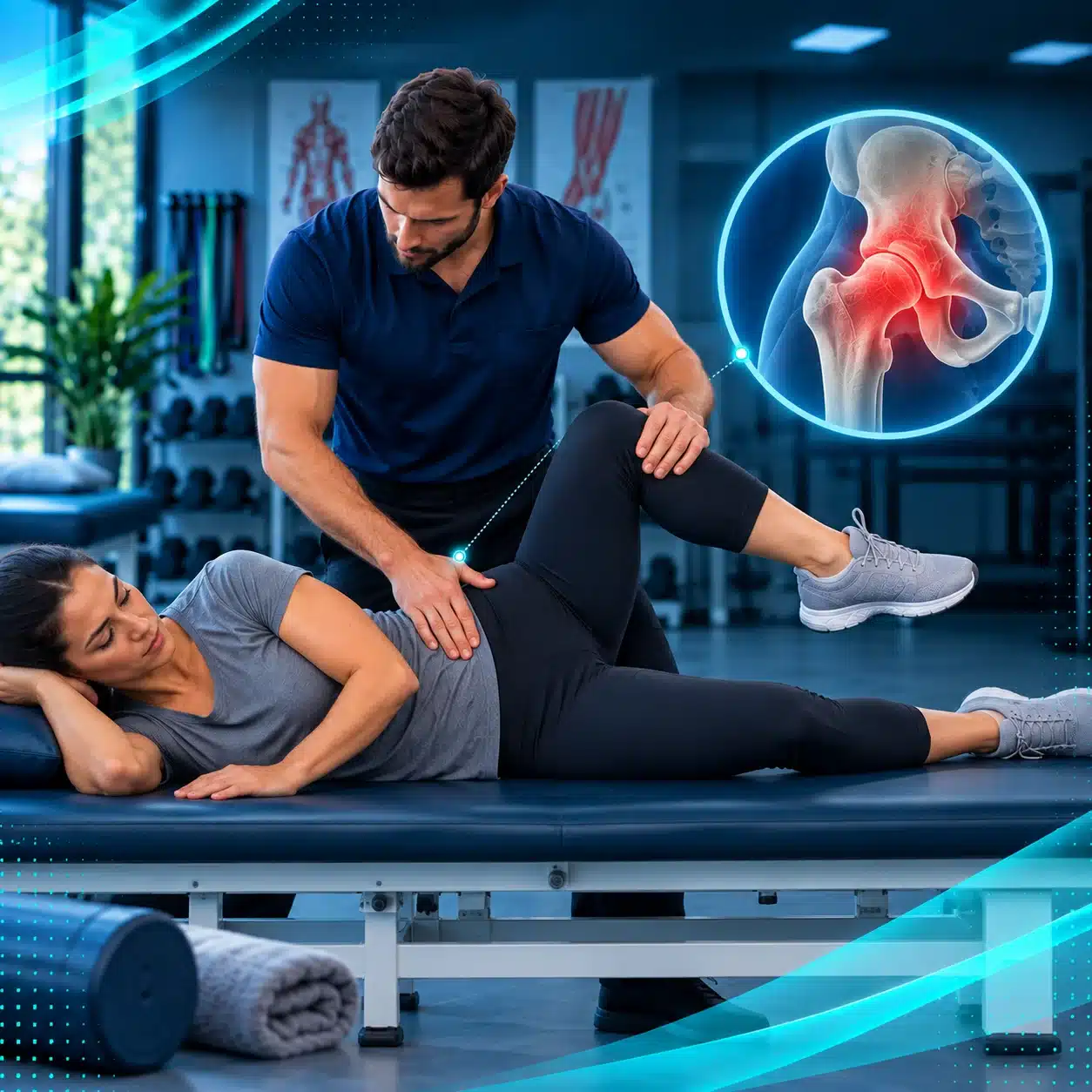
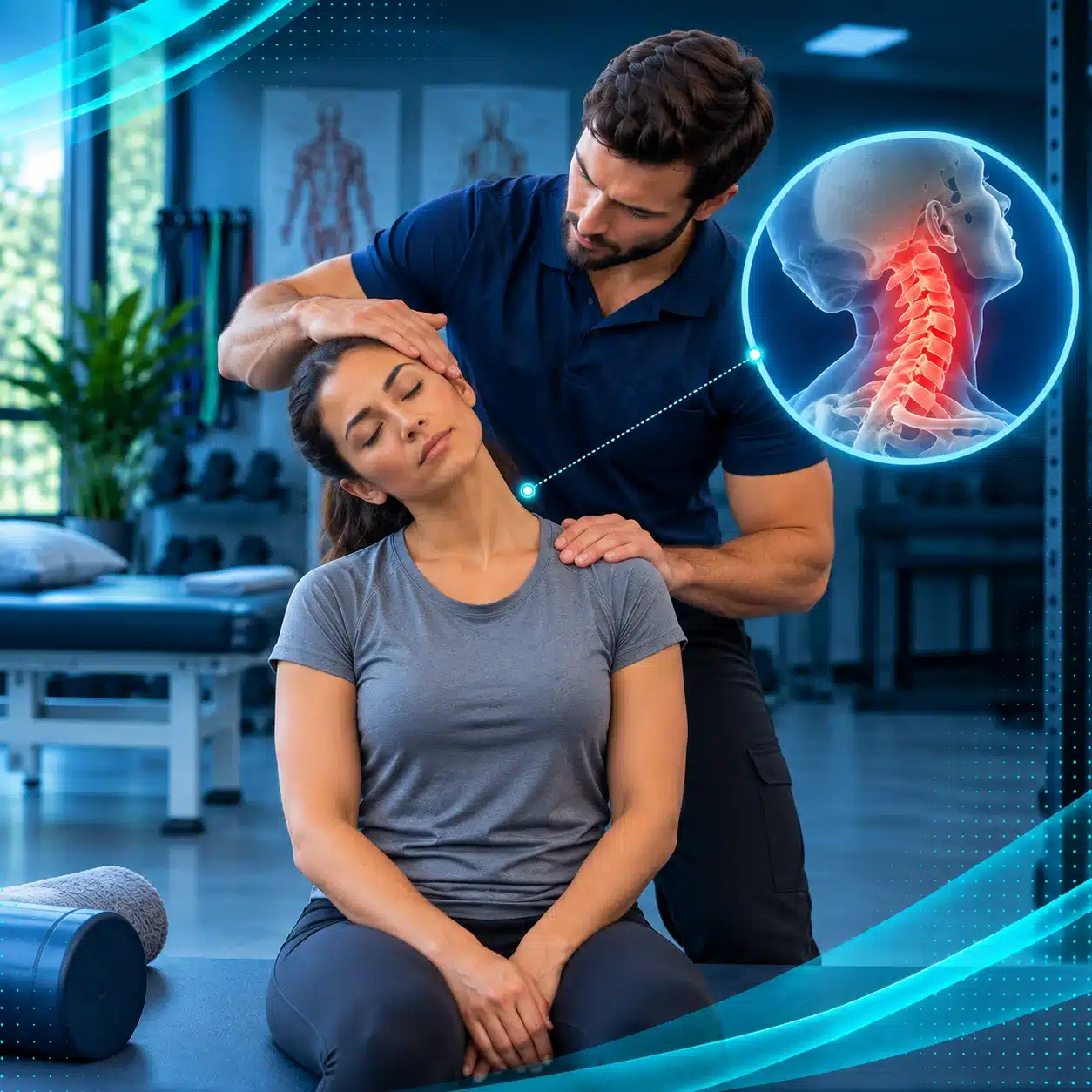
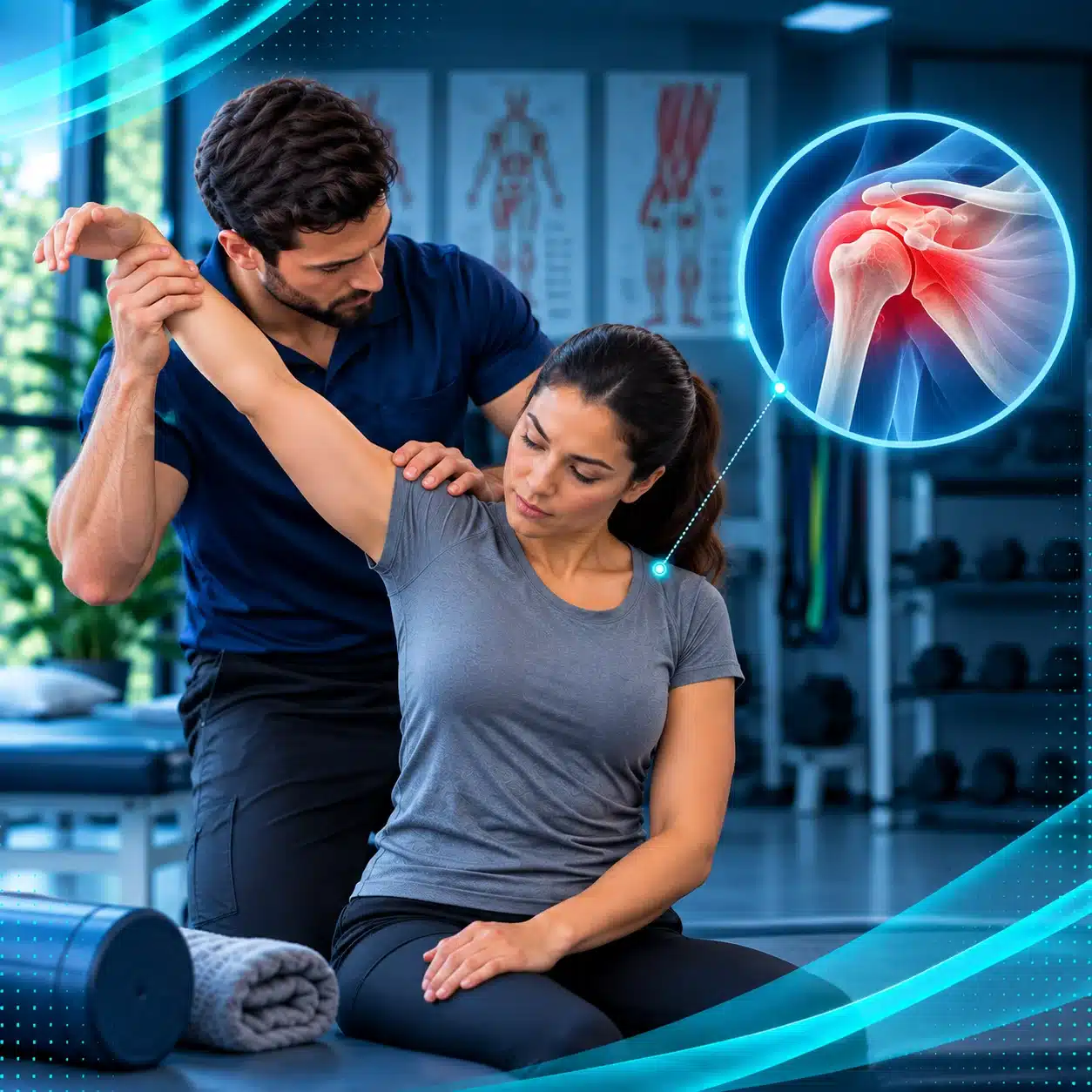
Muscle tightness that limits movement can make daily activities difficult, especially when joints begin to stay in a shortened position. At Eastgate Physiotherapy, we provide Physiotherapy for Contracture in Sherwoodpark to help improve mobility, support flexibility, and reduce stiffness caused by muscle contracture or soft tissue contracture. Whether you are dealing with contraction of fingers, contracture of legs, hip contractures, or neck contracture, our care focuses on safe stretching, movement restoration, and long-term contracture prevention.
Call us any time
(587) 200-4874
Contractures can affect different muscles, joints, and soft tissues throughout the body. The impact depends on the area involved, how long the stiffness has been present, and how much movement is restricted. Some contractures affect walking, while others interfere with hand use, posture, reaching, or daily self-care.
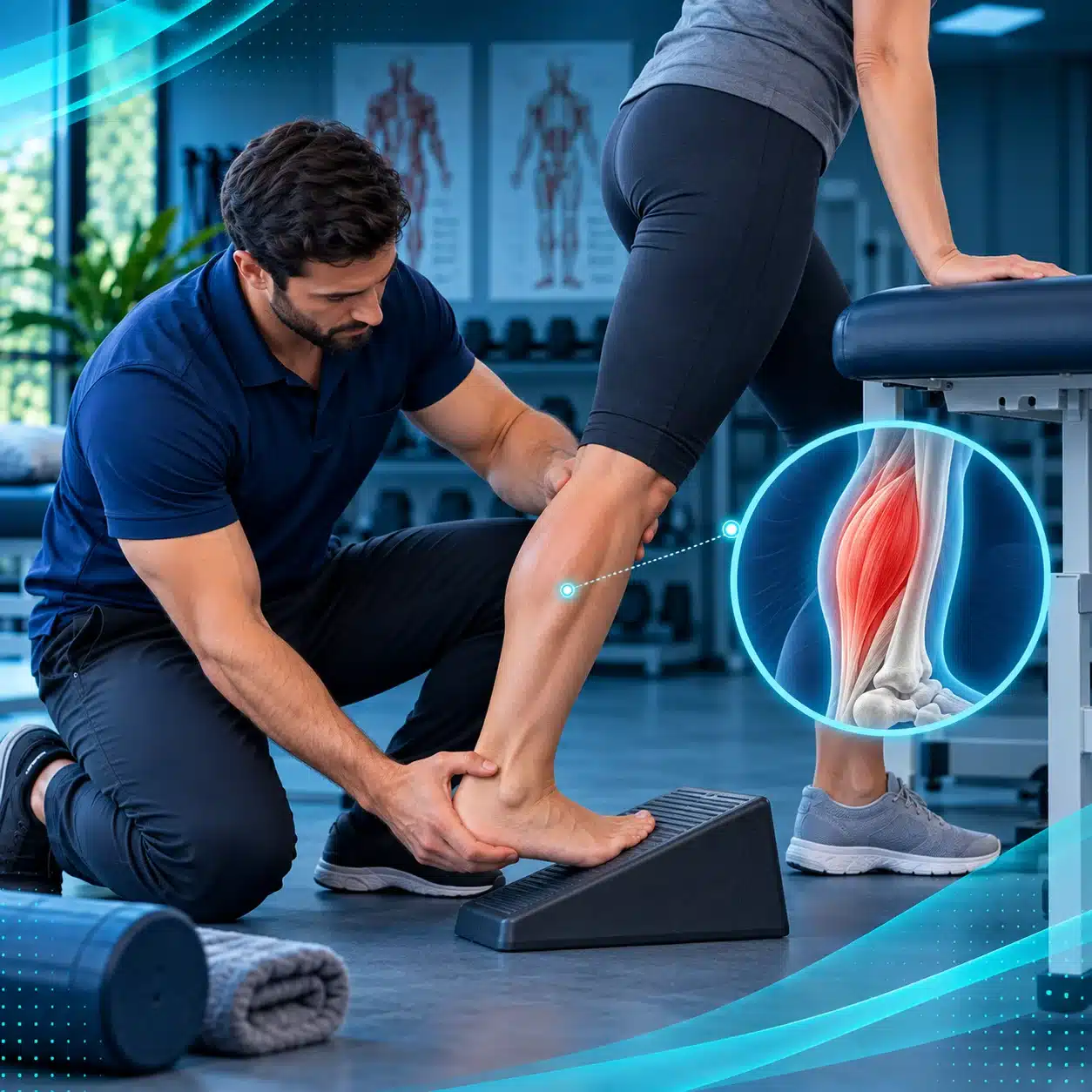
A calf muscle contracture can make it difficult to place the heel flat on ground. It may affect walking, standing balance, stair climbing, and overall lower-leg comfort.
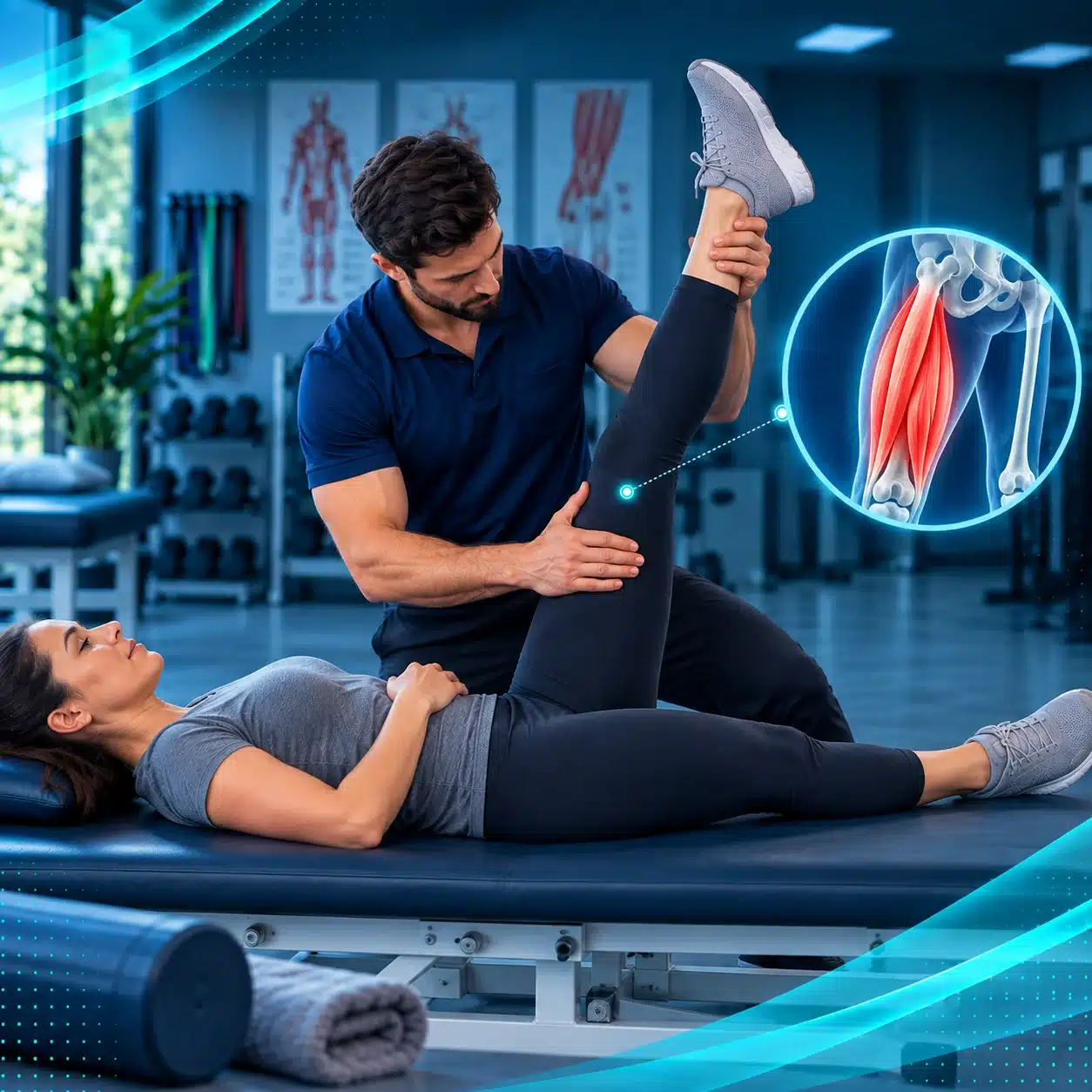
A contracture of hamstring may prevent the knee from fully straightening. This can affect posture, walking stride, sitting position, and the ability to stand comfortably.
Contracture of legs may involve the hips, knees, calves, ankles, or feet. It can make walking, transfers, standing, and balance more challenging.
Hip contractures can reduce stride length and affect upright posture. They may also find sitting, standing from a chair, or lying flat uncomfortable.
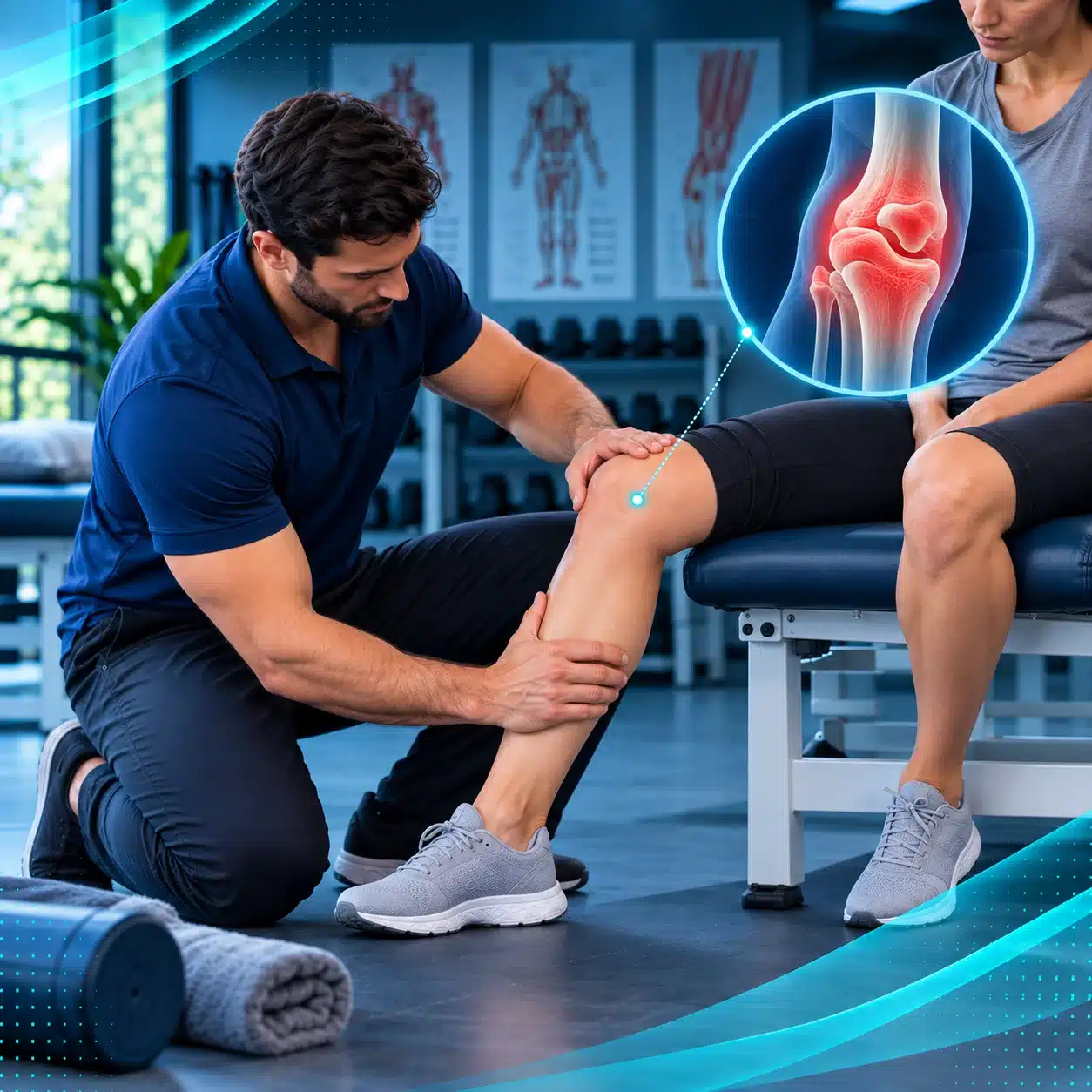
When the knee remains slightly bent and cannot straighten fully, walking becomes less efficient. It may also increase fatigue during standing or movement.
Neck contracture may restrict turning the head, looking up or down, sleeping comfortably, or maintaining a relaxed posture during the day.
Shoulder contractures can limit reaching overhead, dressing, lifting, or placing the arm behind the back.
Elbow stiffness may make it harder to eat, groom, carry objects, or fully bend and straighten the arm.
Wrist contractures can affect typing, lifting, gripping, writing, and hand positioning during daily tasks.
Contraction of fingers can interfere with gripping, buttoning clothes, holding utensils, writing, or using tools.
Contraction of hand may involve the palm, fingers, thumb, or wrist, making fine motor tasks and daily hand use more difficult.
Swan neck contracture affects finger alignment and may reduce grip control, finger coordination, and hand function.
Burn contractures occur when tightened scar tissue restricts skin and joint movement. These may affect mobility, posture, or limb positioning depending on the burn location.
Soft Tissue Contracture
Soft tissue contracture may involve muscles, fascia, tendons, ligaments, or joint capsules. It can create stiffness, reduced flexibility, and restricted movement.
Spasticity-Related Contractures
Spasticity-related contractures may occur when muscles remain tight due to neurological involvement. These can affect arms, legs, hands, or feet.
Post-Surgical Contractures
After surgery, reduced movement or scar tissue formation may contribute to stiffness around the affected joint.
Ankle and Foot Contractures
Ankle and foot contractures may affect foot positioning, walking pattern, balance, and footwear comfort.
Our Physiotherapy for Contracture in Sherwoodpark focuses on improving flexibility, restoring movement, reducing stiffness, and helping you regain confidence with daily activities. At Eastgate Physiotherapy, treatment is individualized based on the location of the contracture, the severity of movement restriction, and how your symptoms affect walking, posture, hand function, or overall mobility.
Range of movement exercises are used to improve movement in stiff joints affected by muscle contracture or soft tissue contracture. These movements help maintain flexibility in the hips, knees, shoulders, elbows, ankles, neck, hands, and fingers.
Passive stretching techniques are carefully guided stretches used when joints cannot move fully on their own. This approach is commonly used for contracture of hamstring, hip contractures, calf muscle contracture, and spasticity-related stiffness.
Gentle joint mobilization techniques help improve movement where stiffness develops around the joint itself. Restricted hips, knees, shoulders, wrists, and ankles often benefit from gradual mobility restoration.
Soft tissue release techniques target tight muscles, fascia, and connective tissues contributing to restricted movement. This may help reduce tension around the neck, calves, hips, shoulders, and forearms.
Burn contractures and post-surgical stiffness may create tissue restrictions that limit flexibility. Scar mobility techniques focus on improving tissue glide and movement tolerance around affected areas.
For contraction of fingers, contraction of the hand, or swan neck contracture, therapy may include finger coordination drills, hand opening exercises, grip retraining, and fine motor control activities to support daily hand use.
Tendon gliding exercises help improve movement between tendons and surrounding tissues in the hand and fingers. These movements may support flexibility and reduce stiffness during gripping or grasping tasks.
Poor posture can increase stress on already restricted joints. Postural retraining focuses on improving spinal alignment, shoulder positioning, neck posture, and standing mechanics to reduce ongoing strain.
For neck contracture, treatment may include controlled cervical movement exercises to improve turning, looking up or down, and overall neck flexibility during daily tasks.
Hip contractures often affect stride length, sitting comfort, and standing posture. Mobility and pelvic control exercises focus on smoother movement through the hips and lower back during walking and transfers.
Calf muscle contracture may alter foot positioning and walking mechanics. Stretching and ankle mobility drills help improve stepping patterns and standing balance.
Contracture of hamstring may affect posture and knee extension. Structured flexibility programs help improve sitting comfort and walking mechanics while reducing tension in the back of the legs.
Controlled standing and movement exercises help improve joint loading tolerance in individuals with contracture of legs or prolonged immobility-related stiffness.
Functional Reach and Arm Movement Training
For shoulder or elbow contractures, therapy may include reaching, lifting, carrying, and arm positioning exercises designed to improve functional upper-body movement.
Neurological Movement Re-Education
For spasticity-related contractures, movement retraining focuses on improving coordination, controlled muscle activation, and safer movement patterns during walking or transfers.
Positioning and Splinting Guidance
Improper resting positions may worsen stiffness over time. We provide education on supportive positioning during sleep, sitting, wheelchair use, or prolonged rest to support contracture prevention.
Gait Retraining
Contracture of legs, ankles, hips, or calves may affect walking symmetry and balance. Gait retraining focuses on improving step length, foot placement, and movement efficiency.
Functional Transfer Training
Transfers such as getting out of bed, standing from a chair, or moving safely between surfaces can become difficult with severe stiffness. Functional transfer practice improves movement confidence and safety.
Strengthening Around Restricted Joints
Weakness around stiff joints may contribute to poor movement control. Gentle strengthening exercises support stability while helping maintain the available range of motion.
Home Mobility Programs
Consistent home movement is important for long-term progress. We provide individualized mobility plans with stretching, positioning, flexibility work, and movement guidance tailored to your daily routine.
Contracture Prevention Education
Contracture prevention focuses on reducing prolonged immobility, improving daily movement habits, maintaining flexibility, and identifying stiffness early before movement loss progresses further.
Many people ask: Can contractures be reversed? The answer depends on how long the contracture has been present, the tissue involved, and how much movement remains.
Early stiffness often responds well to a range of motion exercises, positioning, and stretching.
Older contractures may improve more gradually and may require consistent therapy over time.
When spasticity is involved, range of motion exercises for spasticity and careful positioning are important.
Even when full motion is not restored, physiotherapy can often improve comfort, positioning, mobility, and daily function.
At Eastgate Physiotherapy, we focus on practical recovery. We look at how stiffness affects your movement, independence, posture, and daily tasks, then create a plan that fits your needs.
We assess affected joints, muscle length, posture, strength, and functional limitations.
Your range of motion exercises and stretching plan are matched to your current movement ability.
We guide you on positioning, home movement routines, and daily strategies to prevent worsening stiffness.
We monitor changes in range of motion, comfort, strength, and daily activity ability.
You receive realistic exercises and strategies to continue progress outside the clinic.
Contractures often progress gradually. Addressing stiffness early may help preserve mobility, maintain flexibility, and reduce long-term movement limitations.
Early mobility work may help reduce progressive tightening around joints and soft tissues.
Restricted joints can affect body mechanics and posture throughout the spine, hips, and legs.
Improving mobility may help support daily activities such as walking, transfers, dressing, and household tasks.
When one joint becomes stiff, other areas of the body often compensate, which may contribute to additional strain or discomfort.
Regular movement and stretching may help maintain tissue mobility before stiffness becomes more severe.
Many people become hesitant to move due to stiffness or fear of discomfort. Guided rehabilitation supports safer and more comfortable movement progression.
At Eastgate Physiotherapy, contracture care begins by understanding what movement you have lost, what activities are affected, and what goals matter most to you. Our Physiotherapy for Contracture in Sherwoodpark is not based on a general stretching routine. It is built around your specific contracture type, daily function, and current mobility level.
We assess which joints are restricted, how much range is available, and whether stiffness affects walking, hand use, posture, balance, or transfers.
Your plan is shaped around practical goals such as improving grip, walking more comfortably, standing straighter, dressing independently, or reducing difficulty with stairs.
We select mobility work based on the affected area, whether it involves calf muscle contracture, hip contractures, contracture of hamstring, neck contracture, or contraction of hand.
We progress your program gradually, adjusting intensity based on comfort, tissue response, and functional improvement.
We provide realistic home strategies so mobility work continues between visits and supports long-term contracture prevention.
This service-focused approach helps ensure your care is practical, goal-based, and connected to the movements you need most every day.
Recovery from a contracture is often gradual. At Eastgate Physiotherapy, we focus on steady improvement rather than forcing movement too quickly. As flexibility and mobility improve, your rehabilitation program evolves to match your progress and daily activity demands.
The initial focus is often on reducing stiffness, improving tolerance to movement, and helping restricted joints begin moving more comfortably.
As mobility improves, we work on making movement more consistent during walking, reaching, gripping, standing, and daily activities.
Better flexibility alone is not enough. We help improve muscle control and coordination so movement feels smoother and more stable.
Over time, activities such as stairs, longer walking distances, lifting, transfers, and prolonged standing may become easier to manage.
Once movement improves, maintaining flexibility becomes important. Ongoing mobility routines and movement strategies help reduce the risk of stiffness returning.
Some contractures improve quickly, while others require longer-term mobility support. Your program is adjusted based on your response, goals, and overall function.
Eastgate Physiotherapy is authorized to provide physiotherapy through WCB, AHS, and motor vehicle collision injury claims. Coverage depends on your situation, plan, and reason for treatment.
If a contracture developed from a workplace injury or work-related immobility, WCB coverage may apply.
Some patients may qualify for AHS-supported physiotherapy depending on eligibility.
If contracture-related stiffness developed after a motor vehicle injury, care may be covered under collision-related benefits.
Many private insurance plans include physiotherapy coverage.
Our team will help you understand available options and guide you through claim-related steps.
Contractures can limit comfort, mobility, and independence, but consistent care can help improve movement and prevent further restriction. With Physiotherapy for Contracture in Sherwoodpark, Eastgate Physiotherapy supports safe stretching, range of motion exercises, functional training, and contracture prevention strategies tailored to your needs.
If stiffness, hand tightness, leg contractures, or limited joint movement are affecting your daily life, contact Eastgate Physiotherapy today. Our team can help you begin a practical plan for Physiotherapy for Contracture in Sherwoodpark and support your next step toward better movement.
Satish Pandya brings over 35 years of physiotherapy experience and encourages patients to take an active role in rehabilitation. His background in medical rehabilitation, joint care, sports injury rehabilitation, vestibular rehabilitation, acupuncture, and movement-focused treatment supports patients dealing with stiffness, limited mobility, and post-injury restrictions.
Mae supports patients dealing with muscle tightness, soft tissue restriction, and movement-related discomfort. Her training includes deep tissue massage, trigger point therapy, orthopedic massage, neuromuscular techniques, and sports massage.
Patrick has over 17 years of massage therapy experience and works with individuals managing chronic stiffness, restricted movement, and muscle tension. His approach supports comfort, mobility, and recovery alongside physiotherapy care.
A muscle contracture occurs when muscles, tendons, or surrounding soft tissues become permanently shortened or stiff, limiting normal joint movement. Physiotherapy for Contracture in Sherwoodpark focuses on restoring flexibility, reducing stiffness, and improving daily movement abilities.
At Eastgate Physiotherapy, treatment includes a range of motion exercises, stretching, strengthening, and manual therapy techniques to improve flexibility and reduce joint restrictions caused by contractures.
Common causes of muscle contracture include prolonged immobility, neurological conditions, burns, surgery, muscle imbalance, scar tissue formation, and spasticity-related disorders.
Yes. When joints and muscles are not moved regularly, surrounding tissues tighten and shorten over time, increasing the risk of soft tissue contracture formation.
Contractures restrict normal tissue length and joint mobility, making movement difficult and uncomfortable while reducing flexibility and function.
Eastgate Physiotherapy provides personalized rehabilitation plans using passive stretching techniques, strengthening exercises, and mobility training to improve flexibility and reduce long-term stiffness.
Muscle tightness is usually temporary and improves with stretching, while a true contracture involves structural shortening of tissues that significantly limits movement.
Yes. Early contracture formation may initially present as mild stiffness or reduced flexibility before progressing into more noticeable movement restrictions.
Reduced movement, muscle weakness, nerve involvement, and prolonged positioning after surgery or neurological injuries increase the likelihood of contracture development.
In many cases, early intervention with Physiotherapy for Contracture in Sherwoodpark can improve mobility, reduce stiffness, and slow or reverse contracture progression.
Finger contractures often develop from scar tissue, arthritis, burns, neurological conditions, tendon injuries, or prolonged immobilization, affecting hand mobility.
Physiotherapy focuses on improving hand flexibility, grip strength, coordination, and movement through stretching, splinting, and targeted hand exercises.
Swan neck contracture is a finger deformity involving abnormal joint positioning that affects grasping, fine motor skills, and hand coordination.
Yes. Hand contractures may make writing, dressing, cooking, gripping objects, and performing daily activities more difficult.
Passive stretching techniques gently lengthen shortened tissues and improve flexibility while reducing stiffness around affected joints.
Yes. Burn contractures can tighten skin and underlying tissues, limiting shoulder movement, arm extension, and upper body mobility.
Scar tissue is less flexible than the normal tissue and may restrict movement as healing occurs, increasing the likelihood of contracture formation.
Eastgate Physiotherapy uses mobility exercises, stretching, strengthening, and manual therapy to restore flexibility and functional hand movement after injury.
Yes. Splinting combined with regular range of motion exercises helps maintain joint positioning and reduce progressive stiffness.
Increasing stiffness, reduced finger extension, difficulty gripping, and visible joint positioning changes may indicate worsening contracture development.
Extended sitting shortens hip flexor muscles and reduces joint movement, contributing to hip contractures and posture changes over time.
Treatment focuses on improving flexibility, strength, balance, and walking mechanics to restore safer and more efficient movement.
Shortened hamstring muscles restrict normal hip flexion and knee extension, limiting movement and affecting posture.
These exercises help gently mobilize stiff joints, improve circulation, and maintain tissue elasticity around the knee.
Absolutely. Limited flexibility and reduced joint movement can affect balance, coordination, and walking safety.
Hip contractures pull the body into a flexed posture, making it harder to fully extend the hips and maintain upright alignment.
Yes. Eastgate Physiotherapy uses mobility work, stretching, strengthening, and manual therapy to control discomfort and improve movement.
Stretching helps lengthen shortened muscles and improves ankle flexibility needed for walking, standing, and balance.
Prolonged sitting, inactivity, repetitive strain, poor positioning, and lack of stretching may worsen stiffness and mobility limitations.
Neurological conditions may increase muscle tone, reduce voluntary movement, and create prolonged abnormal positioning that contributes to contractures.
These exercises help maintain flexibility, reduce stiffness, improve circulation, and support functional movement in people with spasticity.
Yes. Persistent muscle tightness from spasticity can gradually shorten tissues and permanently limit movement if untreated.
Treatment may include positioning strategies, passive stretching techniques, mobility training, and strengthening exercises to maintain joint flexibility after stroke.
Abnormal muscle tone, weakness, and poor posture control may contribute to chronic neck tightness and restricted movement.
Yes. Gentle stretching helps improve flexibility and temporarily reduce muscle stiffness associated with spasticity.
Regular movement maintains tissue elasticity, promotes circulation, and reduces prolonged muscle shortening during recovery.
Absolutely. Restricted movement in the hips, knees, ankles, or spine may alter posture and reduce walking stability.
Proper positioning helps reduce abnormal pressure, maintain muscle length, and minimize prolonged joint stiffness.
Yes. Improving flexibility, mobility, and strength can help individuals perform daily activities more safely and independently.
Your physiotherapist at Eastgate Physiotherapy will assess flexibility, joint movement, muscle tightness, posture, and functional limitations before creating a personalized treatment plan.
Treatment is based on the severity of the contracture, affected body areas, mobility goals, and underlying medical conditions.
Exercises may include assisted stretching, joint mobilization movements, active mobility drills, and functional strengthening exercises.
Recovery timelines vary depending on severity, duration of stiffness, underlying conditions, and consistency with therapy and home exercises.
Yes. Consistent home exercises are essential for maintaining flexibility and preventing tissues from tightening again.
Physiotherapy improves strength, posture, flexibility, and movement habits while teaching prevention strategies for long-term mobility.
Yes. Ongoing rehabilitation can improve tissue mobility, flexibility, scar management, and functional movement after burn injuries.
Regular stretching, proper posture, staying active, changing positions frequently, and following prescribed exercises all support recovery.
Progress is tracked through improvements in flexibility, range of motion, posture, walking ability, strength, and daily function.
If stiffness, restricted movement, posture changes, or difficulty performing daily activities continue worsening, early physiotherapy treatment may help prevent long-term limitations.
Hear from athletes and active individuals in Sherwood Park who overcame injuries and returned to their sport through physiotherapy care.
Excellent rating
Based on 84 reviews

Trustindex verifies that the original source of the review is Google.
Satish has helped me with numerous issues including a needle-stick injury, a back issue and sciatica. He is an expert in his field who is willing to share his knowledge. His treatments are effective, safe and he has been able to restore my movement every time I have been under his care. I highly recommend Satish for your physiotherapy needs. Shaunna BradshawI had an excellent experience at East Gate Physiotherapy in Sherwood Park. Satish was incredibly knowledgeable, professional, and genuinely caring. He took the time to understand the source of my intense pain and explained everything clearly while providing effective, targeted treatment. I noticed meaningful pain relief and improvement much faster than I expected. I truly felt listened to and supported throughout the entire process. I highly recommend Satish and the team at East Gate Physiotherapy to anyone dealing with pain or injury.
 Amy BinningI’m writing this review as the daughter of a patient, and I can’t say enough good things about Satish at East Gate Physiotherapy in Sherwood Park. My mom had been in severe pain for weeks and wasn’t able to sleep or even walk properly. Satish took so much time with her, showed incredible patience and compassion, and treated her with acupuncture that brought real relief. Seeing my mom finally get some rest and regain mobility was such a relief for our family. We’re incredibly grateful for the care, knowledge, and genuine kindness he showed. I would highly recommend Satish to anyone looking for thoughtful, effective treatment. He is not extremely thorough, knowledgeable and caring.
 Jesse BinningVery through and professional
 Jeff DaweDr. Pandya is professional, caring and good listener. He explain about injury and how to treat them. I can see the experience and expertise works together for my problem. Thank you.
 Jig PatelI would highly recommend Eastgate Physiotherapy clinic in Sh. Park. The staff is very friendly and knowledgeable, and they take very good care of you.
 Christina AdmiraalVery welcoming and helpful. First off when I came to inquire , the receptionist was pleasant and helpful with my questions I had. As for my therapist he was very polite , listened and showed great care . Answered my questions and didn't feel like I was being rushed. Thank you Dr. Satish Pandya and staff . My experience was amazing.
 Dee Smith
Start Your Recovery Today
From injury physio to pain relief, our experienced therapists provide personalized treatments to restore your mobility and improve your quality of life.