
Help reduce bursitis-related pain, swelling, stiffness, and discomfort during everyday movement.
Customized treatment based on your symptoms, affected joint, activity level, lifestyle, and recovery goals.
Improve flexibility, joint stability, strength, and movement to help you walk, work, exercise, and move comfortably.
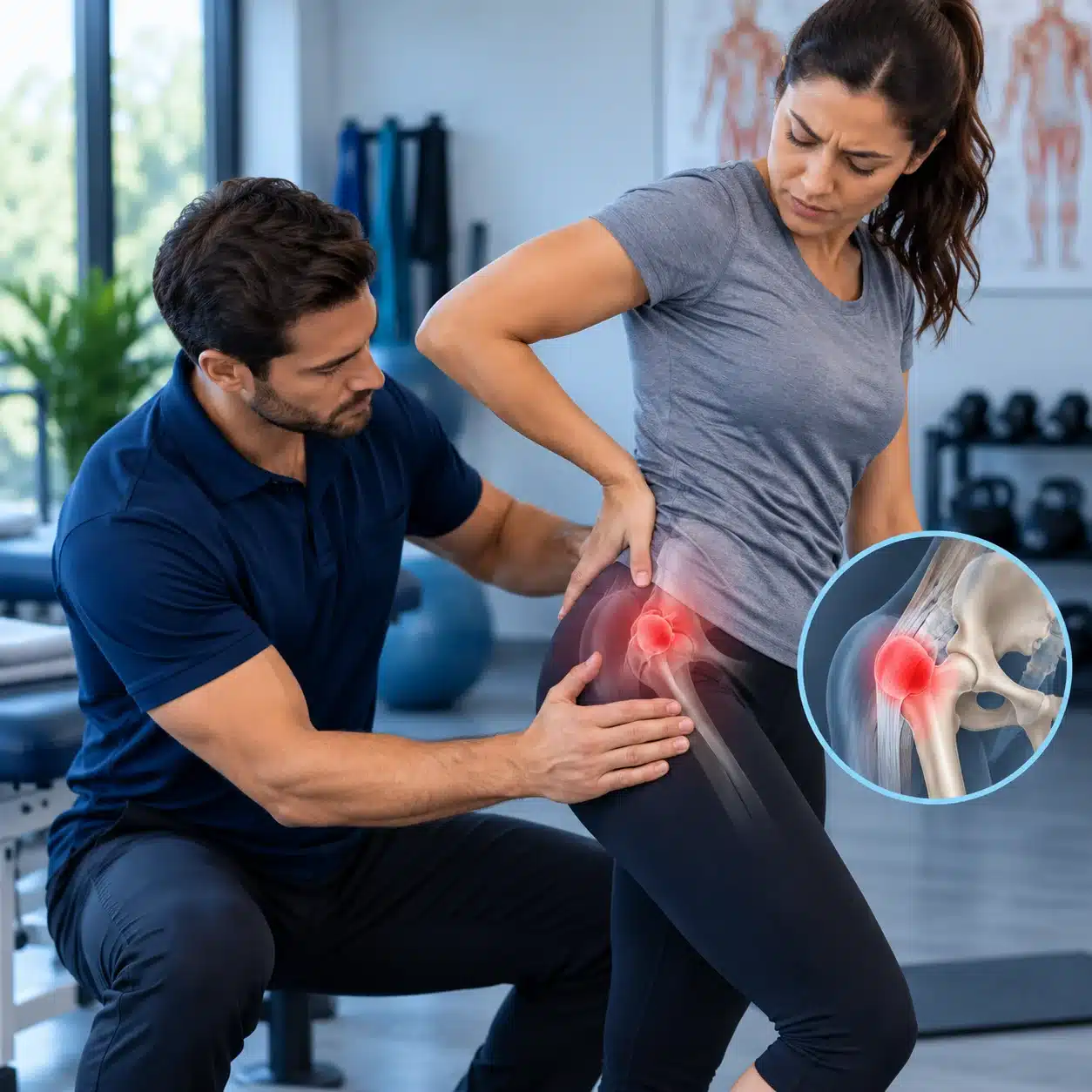
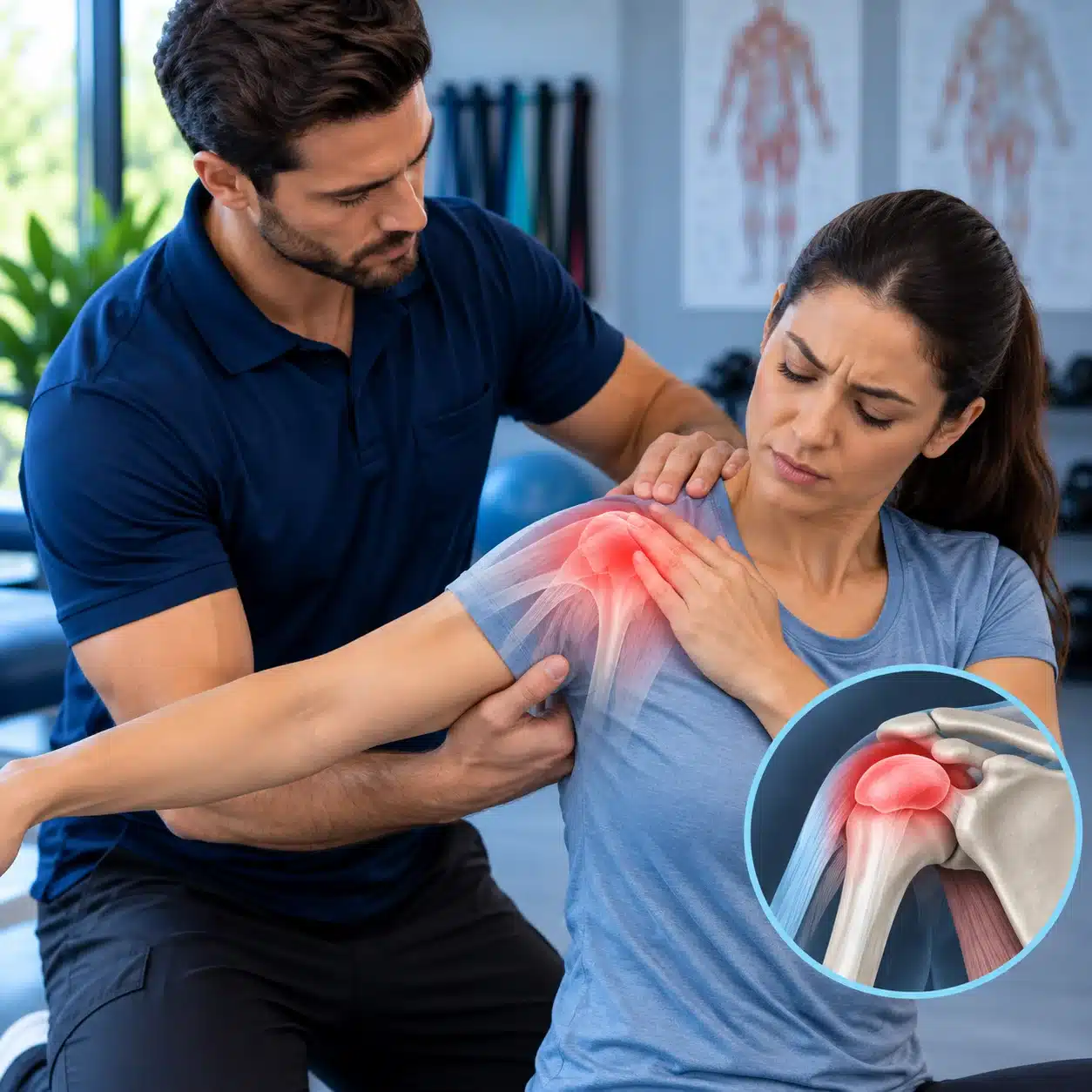
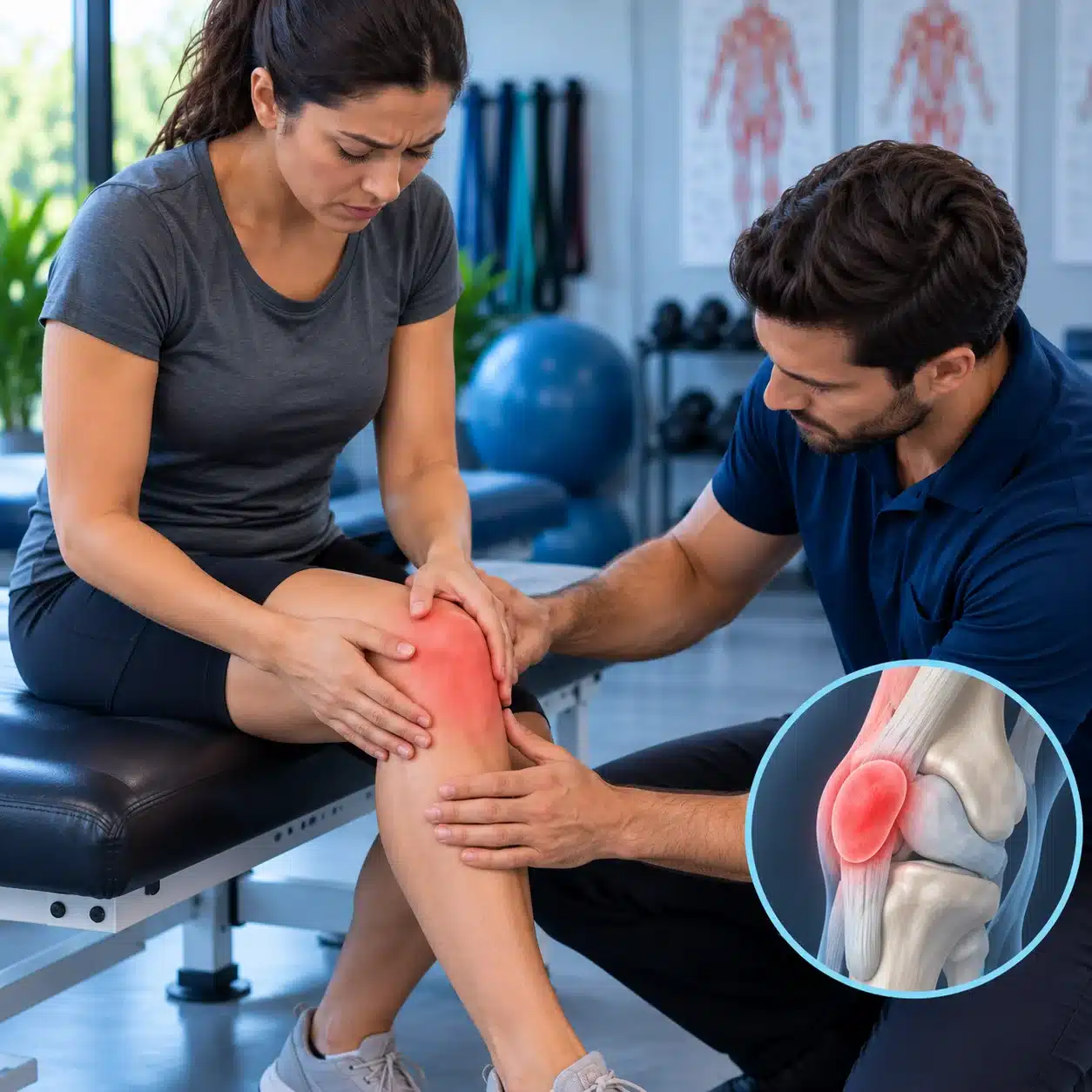
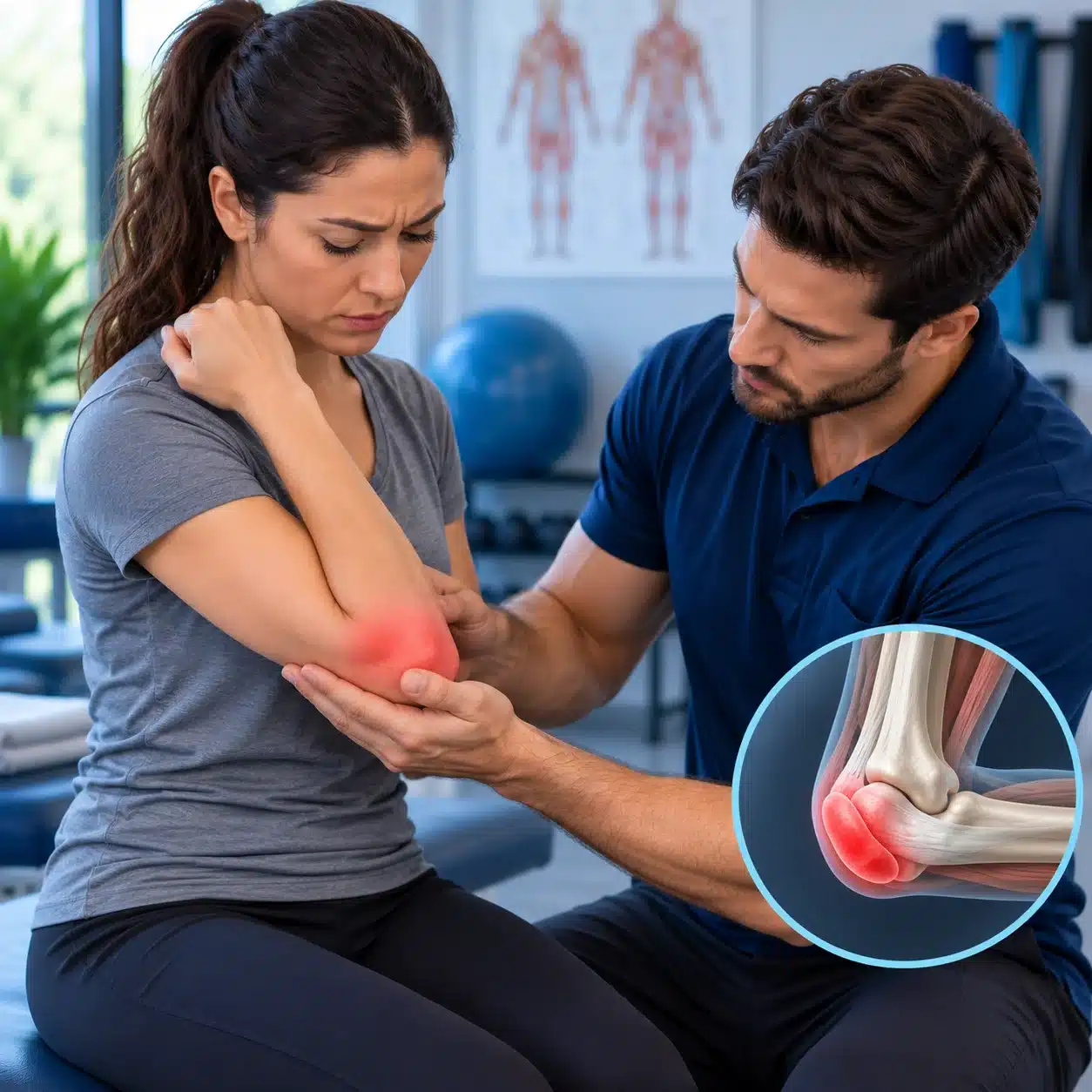
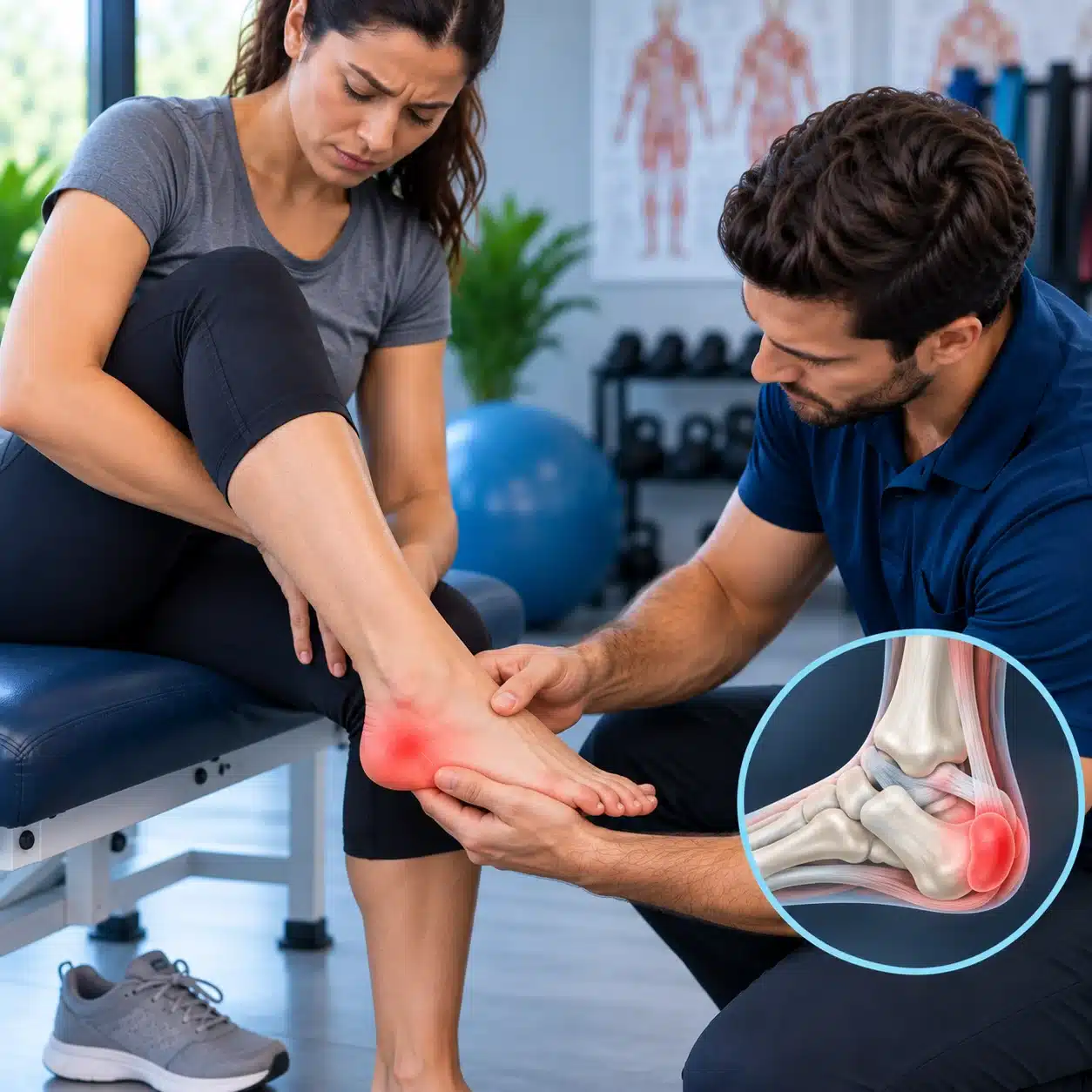

Pain from bursitis can make simple movements like walking, reaching, climbing stairs, or even sleeping uncomfortable. At Eastgate Physiotherapy, we provide Physiotherapy for Bursitis in Sherwood Park to help reduce irritation, improve movement, and support long-term recovery. Whether you are dealing with shoulder pain, hip bursitis symptoms, knee swelling, or recurring flare-ups, our treatment approach focuses on restoring comfortable movement while reducing stress on sensitive tissues.
Call us any time
(587) 200-4874
Many people search online asking, what is bursitis? Bursitis occurs when a bursa becomes more irritated and inflamed. A bursa is a small fluid-filled sac that helps reduce friction between muscles, tendons, and bones during movement.
When irritated, the area may become painful, swollen, stiff, or sensitive during daily activity.
Repeated motions at work, during sports, or through daily routines may overload surrounding tissues.
Prolonged kneeling, leaning on elbows, or side sleeping can irritate bursae over time.
Poor movement mechanics can increase friction around joints and contribute to inflammation.
Falls, direct impact, or altered walking patterns may contribute to bursitis symptoms.
Symptoms may worsen after sudden increases in activity, lifting, walking, or exercise.

Bursitis can develop in several joints throughout the body.
Hip Bursitis
Shoulder Bursitis
Knee Bursitis
Elbow Bursitis
Heel and Foot Bursitis
Bursitis can affect several joints throughout the body and may develop gradually or after repetitive strain, overuse, injury, or prolonged pressure. At Eastgate Physiotherapy, our care focuses on reducing irritation, restoring movement, and improving daily function through individualized rehabilitation.
One of the most common causes of the outer hip pain, trochanteric bursitis often creates tenderness while walking, climbing stairs, standing for long periods, or lying on the affected side. Hip bursitis treatment physiotherapy focuses on improving hip control, reducing strain, and restoring comfortable movement.
Shoulder bursitis can make reaching, lifting, dressing, or sleeping difficult. Many people experience pain while raising their arms overhead or while sleeping. We focus on shoulder mobility, posture correction, and movement retraining to reduce irritation.
People searching for what is bursitis of the knee are often dealing with swelling and pain around the kneecap or inner knee. Knee bursitis may develop from repetitive kneeling, prolonged pressure, or altered walking patterns.
Inflammation around the elbow may cause swelling, tenderness, and discomfort during leaning, lifting, or repetitive arm movements.
Pain near the heel or ball of the foot can affect walking tolerance, balance, and standing endurance. Treatment focuses on reducing pressure while improving lower limb mechanics.
Some individuals with hip pain experience both bursitis and tendon irritation around the hip. This combination may increase pain during walking, side sleeping, and prolonged standing.
If bursitis keeps coming back, there may be underlying movement compensation, weakness, flexibility limitations, or repetitive loading patterns contributing to ongoing irritation.
Poor posture, repetitive reaching, prolonged sitting, or uneven movement mechanics may place repeated stress on joints and surrounding tissues.
Running, cycling, weightlifting, racquet sports, and repetitive training can irritate bursae due to repeated friction and overloading.
Repeated kneeling, lifting, climbing, bending, or prolonged standing may contribute to ongoing joint irritation and inflammation.
Direct trauma to a joint can trigger swelling and sensitivity around the affected bursa.
Tight muscles around the pelvis and outer hip may increase pressure on irritated tissues, especially during walking and stair climbing.
Poor shoulder mechanics may overload the shoulder bursa during reaching or lifting activities.
Reduced Walking Tolerance
Hip, knee, or heel bursitis may lead to limping, shortened walking distance, or difficulty with prolonged standing.
Night Pain and Sleep Disturbance
Pain during sleep is common with shoulder and hip bursitis, particularly when pressure is applied to the affected side.
Stiffness After Rest
Some individuals notice increased stiffness after prolonged sitting, sleeping, or inactivity.
Muscle Weakness Around Painful Joints
Protective guarding and reduced movement may lead to weakness around the hips, knees, shoulders, or ankles over time.
Compensation-Related Lower Back Pain
Altered walking and movement patterns from bursitis may create secondary strain in the lower back or opposite leg.
Reduced Balance and Stability
Pain and altered weight-bearing may reduce confidence during walking, stairs, and uneven surfaces.
Difficulty Returning to Exercise
People recovering from bursitis may struggle with restarting exercise due to fear of triggering another flare-up. Our rehabilitation programs help reintroduce movement progressively and safely.
At Eastgate Physiotherapy, our Physiotherapy for Bursitis in Sherwood Park focuses on reducing irritation around the affected bursa while improving strength, flexibility, and movement control. It’s not just about feeling better for now. The real aim is helping your body handle everyday movement without bursitis coming back to interrupt it.
We begin by looking at how you move, walk, lift, reach, climb stairs, or sleep. Bursitis often develops when certain tissues are repeatedly compressed or overloaded. By identifying these patterns, we can adjust your treatment plan to reduce unnecessary stress on the irritated area.
Hands-on techniques will be used to improve joint mobility, reduce surrounding muscle tension, and help the area move more comfortably. This can be helpful for shoulder bursitis, hip bursitis symptoms, knee bursitis, and trochanteric pain where stiffness or guarding affects movement.
Tight muscles around the hip, shoulder, knee, or back can increase pressure on the bursa. Soft tissue work helps reduce tension in surrounding muscles, so movement feels easier and less restricted.
We prescribe specific bursitis rehab exercises based on the affected joint. These may include controlled strengthening, gentle mobility drills, and stability exercises to improve support around the irritated area.
For hip bursitis and trochanteric pain, we guide safe stretches for hip bursitis that target the hip, glutes, and surrounding muscles without irritating the outer hip. The focus is on improving flexibility while avoiding excessive compression.
During a flare-up, treatment may shift toward gentle movement, reduced loading, and symptom-guided activity. We teach you how to manage sensitive periods without stopping movement completely.
For shoulder bursitis, we use controlled mobility drills, posture correction, and strengthening exercises to improve shoulder blade movement and reduce strain during reaching or lifting.
For knee bursitis, treatment may include strengthening around the hips, thighs, and calves to improve knee control during walking, stairs, and standing.
If hip or knee bursitis changes the way you walk, we help correct compensation patterns. Improving walking mechanics can reduce repeated pressure on painful tissues and support smoother movement.
We help you understand which movements may be aggravating symptoms and how to modify them temporarily. This may include changing sitting habits, kneeling positions, exercise routines, or sleeping positions for shoulder bursitis.
Once symptoms settle, we guide you back to normal activity step by step. This is especially helpful when bursitis keeps coming back after exercise, work tasks, or prolonged walking.
Your care includes practical exercises you can continue at home. These are designed to support bursitis recovery time, maintain flexibility, and prevent recurring irritation.
At Eastgate Physiotherapy, every bursitis therapy plan is adjusted to your symptoms, lifestyle, and recovery goals so treatment feels practical, safe, and easy to follow.
At Eastgate Physiotherapy, our approach to Physiotherapy for Bursitis in Sherwood Park is built around understanding how pain affects your movement, activity tolerance, work demands, sleep, and overall daily function.
Rather than focusing only on the painful area, we assess the full movement chain contributing to irritation and recurring flare-ups.
Your assessment begins with reviewing symptoms of bursitis, movement limitations, walking mechanics, posture, flexibility, and joint loading patterns. We identify movements, positions, or repetitive activities that may be increasing irritation around the affected bursa.
Every bursitis presentation is different. Some individuals struggle with hip bursitis symptoms during walking, while others experience shoulder pain during reaching or sleeping. Your rehabilitation plan is tailored to your symptoms, lifestyle, work activities, and recovery goals.
Recovery progresses gradually based on how your body responds to movement and activity. During sensitive periods or a flare-up, treatment may focus on reducing irritation and improving comfort. As tolerance improves, we begin rebuilding strength, endurance, and movement confidence.
Our care focuses on helping you return to practical activities comfortably. This may include walking longer distances, climbing stairs, lifting objects, reaching overhead, exercising, kneeling, or improving sleeping comfort with shoulder bursitis.
Repeated stress on joints can contribute to ongoing irritation. We help improve movement efficiency and teach strategies that reduce unnecessary pressure on painful tissues during work, exercise, and daily activities.
As your symptoms improve, your rehabilitation plan evolves. Exercises, mobility work, and activity goals are adjusted regularly to support steady progress while minimizing setbacks.
If bursitis keeps coming back, there are often contributing movement habits, weakness patterns, or flexibility limitations involved. We help identify these factors and provide strategies to reduce recurring irritation and support long-term joint function.
Eastgate Physiotherapy is an authorized provider for physiotherapy through WCB (Worker’s Compensation Board), AHS (Alberta Health Services), and motor vehicle collision injury claims.
If bursitis is related to repetitive work demands or workplace strain, WCB coverage may apply.
Bursitis symptoms may sometimes develop or worsen after collision-related injuries.
Many insurance plans include physiotherapy coverage for bursitis treatment.
Our team can help guide you through available coverage options and direct billing processes where applicable.
Pain from bursitis can interfere with walking, sleeping, exercise, work, and everyday movement. With Physiotherapy for Bursitis in Sherwood Park, our goal is to help reduce irritation, improve movement quality, and support long-term recovery without unnecessary strain.
If you have been searching for “bursitis therapy near me”, Eastgate Physiotherapy is here to help. Contact our team today to begin a personalized rehabilitation plan designed around your mobility, comfort, and activity goals.
Satish Pandya has more than 35 years of physiotherapy experience and encourages patients to take an active role in rehabilitation. His background includes medical rehabilitation, sports injury rehabilitation, Graston Technique training, acupuncture certification, and rehabilitation for joint and movement-related conditions. His treatment approach focuses on improving mobility, reducing strain, and supporting long-term function.
Mae provides massage therapy support for muscle tightness, tension, and movement restrictions commonly associated with bursitis. Her training includes deep tissue massage, orthopedic massage, trigger point therapy, sports massage, and neuromuscular techniques.
Patrick brings over 17 years of experience in orthopedic massage, deep tissue therapy, trigger point work, and rehabilitation-focused massage therapy. His care supports individuals dealing with chronic pain, movement limitations, and repetitive strain conditions affecting the joints and surrounding muscles.
Tucked around your joints are small fluid-filled sacs called bursae; their job is to absorb friction and keep your bones, muscles, and tendons moving smoothly together. When these sacs become inflamed, that's bursitis. When they become inflamed, that condition is called bursitis. When these sacs become irritated, they can cause pain, swelling, and stiffness during movement. At Eastgate Physiotherapy, Physiotherapy for Bursitis in Sherwood Park focuses on reducing irritation and restoring comfortable movement.
Physiotherapy helps reduce inflammation, improve flexibility, strengthen surrounding muscles, and restore normal movement patterns. At Eastgate Physiotherapy, treatment plans are personalized to reduce pain, improve mobility, and support long-term recovery from bursitis.
When bursitis sets in, the area around the joint becomes painful, swollen, and tender. You may also notice stiffness, warmth around the joint, and a sharp increase in discomfort whenever the same movement is repeated. Hip bursitis symptoms often include pain while walking, climbing stairs, or lying on one side.
Yes. Bursitis often develops gradually due to repetitive movements, prolonged pressure, poor posture, or muscle imbalances rather than a sudden injury. Physiotherapy can help identify these contributing factors early.
These joints experience repetitive movement and frequent pressure during daily activities. Areas like the hips, knees, and shoulders are more vulnerable to inflammation because the bursae work constantly to reduce friction.
Walking can irritate inflamed hip bursae when surrounding muscles are weak or tight. Uneven gait mechanics and poor hip stability may also increase stress on the area, leading to trochanteric pain and discomfort.
Eastgate Physiotherapy uses targeted strengthening, stretches for hip bursitis, mobility training, and manual therapy to reduce pressure around the hip. Treatment aims to improve movement mechanics and decrease irritation during daily activities.
Bursitis usually causes localized pain around soft tissues near the joint, while arthritis affects the joint itself and often involves cartilage wear and joint stiffness. A physiotherapist can help determine the source of pain and guide proper treatment.
Mild bursitis may improve with rest and activity modification, but untreated cases often return or become chronic. Physiotherapy helps address the root causes and improves long-term recovery outcomes.
Bursitis recovery time varies, but symptoms can persist for weeks or months if the underlying cause is not addressed. Chronic irritation may also lead to recurring flare-ups and reduced mobility.
Increasing pain during walking, difficulty sleeping on one side, reduced flexibility, and stiffness after sitting are common signs that hip bursitis symptoms may be worsening.
Hip bursitis treatment physiotherapy focuses on strengthening weak muscles, improving hip alignment, and restoring normal movement patterns to reduce stress on inflamed tissues and improve mobility.
Knee bursitis occurs when bursae near the knee become inflamed from repetitive pressure or friction. Kneeling increases direct pressure on the irritated tissue, making symptoms more painful.
Yes. Inflamed shoulder bursae can irritate nearby tissues and restrict shoulder movement, causing discomfort that radiates down the upper arm during lifting or reaching.
Sleeping on the affected side compresses the inflamed bursa and increases pressure on already sensitive tissues, often worsening pain and stiffness overnight.
Sleeping on your back or the unaffected side with supportive pillows is often recommended. Proper positioning can reduce pressure on the shoulder and improve comfort during recovery.
Yes. Pain around the outer hip may cause compensation patterns that alter walking mechanics and reduce balance, potentially increasing strain on nearby joints and muscles.
Physiotherapists assess pain location, movement limitations, swelling patterns, muscle strength, and functional activities to identify whether symptoms are linked to bursitis or tendon irritation.
Stair climbing places additional load on the hip muscles and inflamed bursae. Weak hip stabilizers can further increase friction and irritation during stair use.
Yes. Some people notice visible swelling or warmth around the knee before significant pain develops, especially during the early stages of bursitis.
Recurring bursitis often happens when movement patterns, posture issues, muscle weakness, or repetitive stress are not fully corrected. Physiotherapy helps address these contributing factors.
Repetitive lifting, prolonged kneeling, climbing stairs, side sleeping, overtraining, and poor posture can all trigger a bursitis flare-up.
Yes. Poor posture changes how pressure is distributed across joints and muscles, increasing strain on bursae and contributing to ongoing inflammation.
Weak muscles provide less support to joints, causing surrounding tissues to work harder and increasing friction around the bursae during movement.
Prolonged sitting tightens surrounding muscles and places sustained pressure on the hips, which may aggravate inflammation and stiffness.
Yes. Repetitive workplace activities such as lifting, bending, kneeling, or overhead reaching can repeatedly irritate bursae and contribute to chronic symptoms.
Untreated bursitis may lead to chronic pain, limited mobility, muscle weakness, and compensation patterns that affect nearby joints and tissues.
Yes. Reduced movement during recovery may lead to joint stiffness and muscle tightness even after inflammation decreases.
Inflammation, reduced circulation during rest, and pressure from sleeping positions can make bursitis discomfort feel more noticeable at night.
Absolutely. Eastgate Physiotherapy focuses on improving flexibility, strengthening muscles, correcting movement patterns, and reducing stress on irritated joints to help prevent future flare-ups.
Bursitis rehab exercises often include gentle strengthening, stretching, balance training, and mobility exercises designed to reduce pressure on inflamed tissues.
Stretches for hip bursitis reduce muscle tightness around the hip, improve flexibility, and help restore smoother movement during walking and standing activities.
Gentle stretches may still be appropriate during mild flare-ups, but aggressive stretching can worsen irritation. A physiotherapist can guide safe movement during recovery.
Yes. Stronger muscles help stabilize joints and reduce unnecessary friction or stress around the bursae during movement.
Physiotherapy strengthens the muscles supporting the pelvis and hips while improving movement control and balance to reduce strain during daily activities.
High-impact activities, deep squats, repetitive stair climbing, and exercises that compress the hip may worsen symptoms during active inflammation.
Excessive walking during an active flare-up may increase irritation and slow healing. Controlled activity and gradual progression are usually recommended.
Gentle movement improves circulation, maintains flexibility, and prevents muscles and joints from becoming excessively stiff during recovery.
Good flexibility reduces tension on surrounding muscles and tissues, helping minimize friction around inflamed bursae and improving overall movement quality.
Yes. Physiotherapy identifies recurring stress patterns and builds long-term strength and mobility strategies to reduce repeated inflammation.
Your physiotherapist at Eastgate Physiotherapy will assess your movement, flexibility, strength, posture, and pain triggers before creating a personalized treatment plan.
Treatment plans are based on your symptoms, movement limitations, daily activities, and recovery goals to ensure targeted care for long-term improvement.
Yes. Physiotherapy focuses on enhancing function and reducing inflammation naturally through exercise, manual therapy, and movement correction strategies.
Recovery timelines vary depending on severity and activity levels, but many people notice improvements within several weeks of consistent physiotherapy.
Manual therapy may include soft tissue release, joint mobilization, stretching, and hands-on techniques to reduce tension and improve movement.
Yes. Athletes benefit from sport-specific strengthening, flexibility work, and movement retraining to safely return to activity while reducing reinjury risk.
Frequency depends on symptom severity and recovery goals. Many patients begin with weekly sessions before progressing to independent management strategies.
Improving posture, maintaining flexibility, pacing repetitive activities, strengthening supporting muscles, and using proper movement mechanics can help prevent recurrence.
If pain lasts more than a few weeks, limits movement, disrupts sleep, or keeps returning, professional assessment and treatment may help prevent chronic issues.
Eastgate Physiotherapy provides Physiotherapy for Bursitis in Sherwood Park with personalized treatment plans focused on pain relief, flexibility, recovery, and long-term joint health for people searching for bursitis therapy near me.
Hear from athletes and active individuals in Sherwood Park who overcame injuries and returned to their sport through physiotherapy care.
Excellent rating
Based on 84 reviews

Trustindex verifies that the original source of the review is Google.
Satish has helped me with numerous issues including a needle-stick injury, a back issue and sciatica. He is an expert in his field who is willing to share his knowledge. His treatments are effective, safe and he has been able to restore my movement every time I have been under his care. I highly recommend Satish for your physiotherapy needs. Shaunna BradshawI had an excellent experience at East Gate Physiotherapy in Sherwood Park. Satish was incredibly knowledgeable, professional, and genuinely caring. He took the time to understand the source of my intense pain and explained everything clearly while providing effective, targeted treatment. I noticed meaningful pain relief and improvement much faster than I expected. I truly felt listened to and supported throughout the entire process. I highly recommend Satish and the team at East Gate Physiotherapy to anyone dealing with pain or injury.
 Amy BinningI’m writing this review as the daughter of a patient, and I can’t say enough good things about Satish at East Gate Physiotherapy in Sherwood Park. My mom had been in severe pain for weeks and wasn’t able to sleep or even walk properly. Satish took so much time with her, showed incredible patience and compassion, and treated her with acupuncture that brought real relief. Seeing my mom finally get some rest and regain mobility was such a relief for our family. We’re incredibly grateful for the care, knowledge, and genuine kindness he showed. I would highly recommend Satish to anyone looking for thoughtful, effective treatment. He is not extremely thorough, knowledgeable and caring.
 Jesse BinningVery through and professional
 Jeff DaweDr. Pandya is professional, caring and good listener. He explain about injury and how to treat them. I can see the experience and expertise works together for my problem. Thank you.
 Jig PatelI would highly recommend Eastgate Physiotherapy clinic in Sh. Park. The staff is very friendly and knowledgeable, and they take very good care of you.
 Christina AdmiraalVery welcoming and helpful. First off when I came to inquire , the receptionist was pleasant and helpful with my questions I had. As for my therapist he was very polite , listened and showed great care . Answered my questions and didn't feel like I was being rushed. Thank you Dr. Satish Pandya and staff . My experience was amazing.
 Dee Smith
Start Your Recovery Today
From injury physio to pain relief, our experienced therapists provide personalized treatments to restore your mobility and improve your quality of life.