New Management. Experienced Therapist. Same Commitment to You. New Management. Experienced Therapist. Same Commitment to You.
Restore Jaw Comfort. Relieve Tension. Move With Confidence.

TMJ Rehabilitation Therapy Sherwood Park

At Eastgate Physiotherapy, we provide personalized TMJ rehabilitation to help reduce jaw pain, clicking, stiffness, headaches, and tension affecting the jaw, neck, and shoulders. Our treatment focuses on restoring comfortable jaw movement, improving alignment, and supporting long-term function.

Reduce Pain & Stiffness

Target jaw stiffness, muscle tension, clicking, facial discomfort, and headaches associated with TMJ dysfunction.

Personalized Rehabilitation

Customized treatment plans based on your symptoms, jaw movement, posture, lifestyle, and recovery goals.

Restore Movement & Strength

Improve coordination, flexibility, posture, and movement to support easier talking, chewing, yawning, and everyday activities.

Book An Appointment
Jaw Pain & TMJ Dysfunction
Headache & Facial Tension
Jaw & Neck Mobility
TMJ Rehabilitation Therapy Sherwood Park for jaw pain and jaw function
Posture & Alignment
TMJ Exercises & Re-Education
Neck & Shoulder Tension

TMJ Rehabilitation Therapy Sherwood Park for Jaw Pain and Dysfunction

Speak, Eat, and Sleep Better With TMJ Rehabilitation

Jaw pain, clicking sounds, or stiffness when opening your mouth can all be signs of temporomandibular disorders (TMD). These issues often stem from the temporomandibular joint (TMJ), which links your jaw to the skull.

At Eastgate Physiotherapy, we provide personalized TMJ Rehabilitation Therapy Sherwood Park to help restore comfort, alignment, and function to your jaw, neck, and shoulders.

Call us any time

(587) 200-4874

What Is TMJ Dysfunction and Why Does It Happen?

TMJ dysfunction refers to problems with the muscles, ligaments, or joint surfaces that allow your jaw to move. When these structures become strained or misaligned, it can lead to pain, stiffness, and difficulty with normal activities like talking or chewing.

Common Causes of TMJ Dysfunction

  • Jaw clenching or teeth grinding (bruxism)
  • Stress and tension in the muscles around the neck and shoulders
  • Poor posture affects jaw alignment
  • Injury to the face or jaw
  • Arthritis or joint inflammation
  • Dental misalignment or uneven bite
  • Habitual chewing (gum or hard foods)

Without appropriate management, TMJ symptoms may persist or become more noticeable over time, leading to chronic pain, restricted motion, and even headaches or ear discomfort.

Common Signs and Symptoms of TMJ Dysfunction

Temporomandibular disorders will cause a range of symptoms that go beyond jaw pain. Recognizing early signs can help you seek treatment before symptoms become persistent.

Common Symptoms of TMJ Dysfunction

  • Clicking, popping, or grinding sounds when opening or closing the mouth
  • Jaw pain or tenderness, especially near the ear
  • Headaches, migraines, or facial tension
  • Difficulty chewing or yawning fully
  • Locking or limited jaw movement
  • Pain that radiates in the neck, shoulders, or upper back
  • Ear fullness or ringing without an ear infection

If you notice one or more of these symptoms, searching for “TMJ physiotherapy near me” can help you find care tailored to your condition at Eastgate Physiotherapy.

What Conditions Are Related to TMJ Dysfunction?

Temporomandibular disorders rarely occur in isolation; they often coexist with muscular, postural, or neurological problems. Recognizing these connections helps in developing a complete temporomandibular joint dysfunction treatment plan that restores harmony throughout the body.

Conditions Often Associated With TMJ Dysfunction

Chronic Neck Pain and Muscle Tension

Continuous strain from jaw misalignment can tighten the cervical muscles, leading to stiffness or restricted motion.

Headaches and Migraines

Jaw tension and clenching often trigger headaches around the temples, forehead, or behind the eyes.

Bruxism (Teeth Grinding)

Habitual grinding can inflame the jaw joint and surrounding muscles, worsening pain and clicking.

Whiplash and Cervical Spine Stiffness

Neck injuries can disrupt jaw coordination and increase joint strain.

Postural Imbalance and Forward Head Posture

Common in desk-bound work, it increases stress on the TMJ and upper back muscles.

Ear Pain, Vertigo, or Dizziness

TMJ dysfunction can irritate nearby nerves, causing ear pressure or balance problems.

Myofascial Pain Syndrome

Trigger points in facial or neck muscles can radiate discomfort to the jaw or temple area.

Jaw or Facial Trauma

Previous injuries, dental procedures, or fractures may lead to long-term joint misalignment.

Arthritis of the TMJ

Degeneration or inflammation within the joint affects smooth jaw motion and causes persistent pain.

Upper Back and Shoulder Strain

Tightness in the neck and shoulder girdle often coincides with TMJ pain.

Sleep Disturbances or Fatigue

Jaw tension at night can contribute to disrupted rest and chronic stress responses.

Sinus or Facial Pressure Disorders

Muscle tension and joint misalignment can mimic sinus pain or congestion sensations.

Stress-Related Muscle Clenching

Emotional tension often manifests physically in jaw stiffness and headaches.

By addressing TMJ dysfunction and these interrelated conditions together, Eastgate Physiotherapy promotes lasting relief and balanced movement throughout the jaw, neck, and shoulders.

How TMJ Rehabilitation Therapy Supports Jaw Function

TMJ Rehabilitation Therapy Sherwood Park is designed to restore smooth jaw movement, reduce muscle tension, and correct imbalances that affect the neck, shoulders, and overall posture. The temporomandibular joint (TMJ) is closely linked with surrounding muscles and nerves. When it becomes strained, it can influence how your entire upper body moves and feels.

At Eastgate Physiotherapy, our approach goes beyond symptom management. We focus on both muscular coordination and joint mechanics to provide long-term comfort and improved function.

TMJ Physiotherapy Techniques We Use

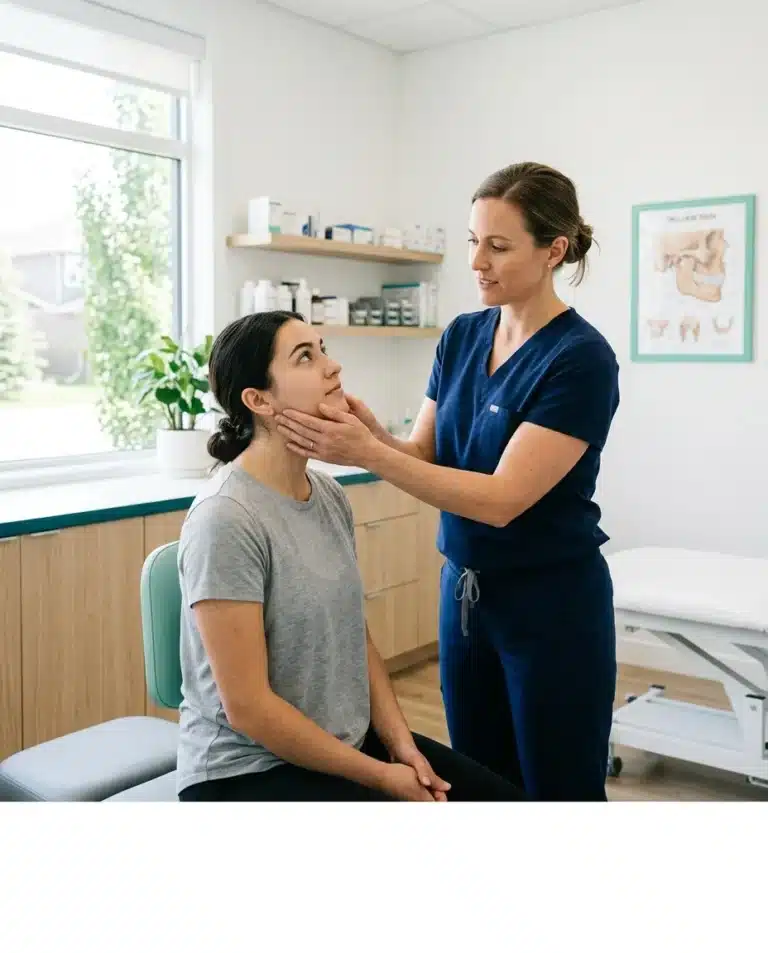
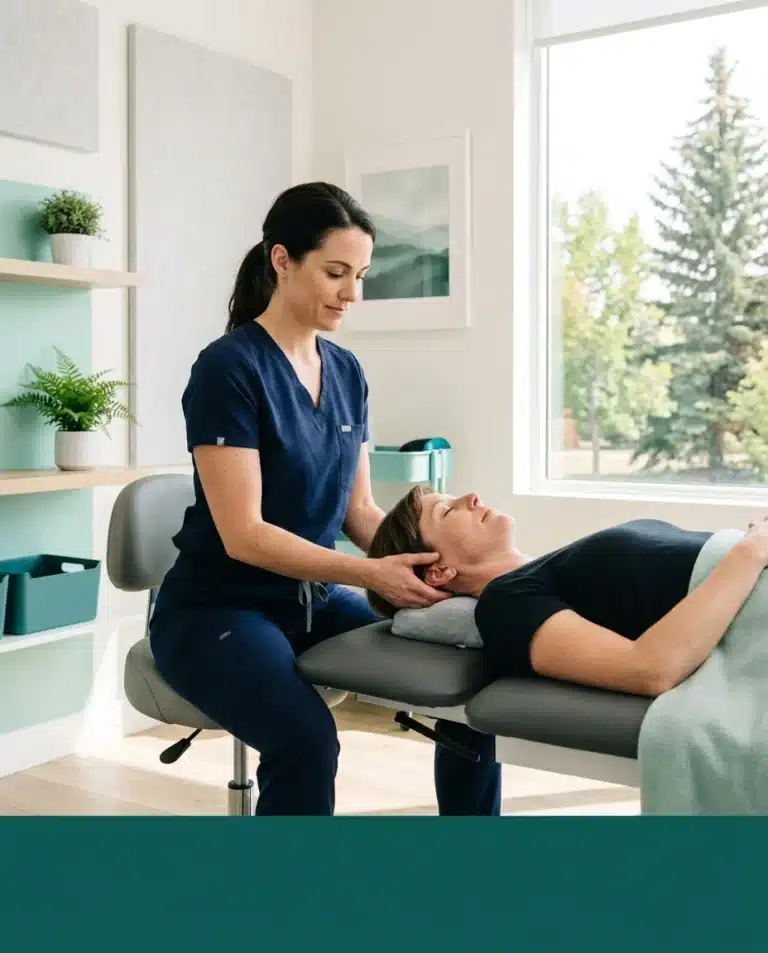
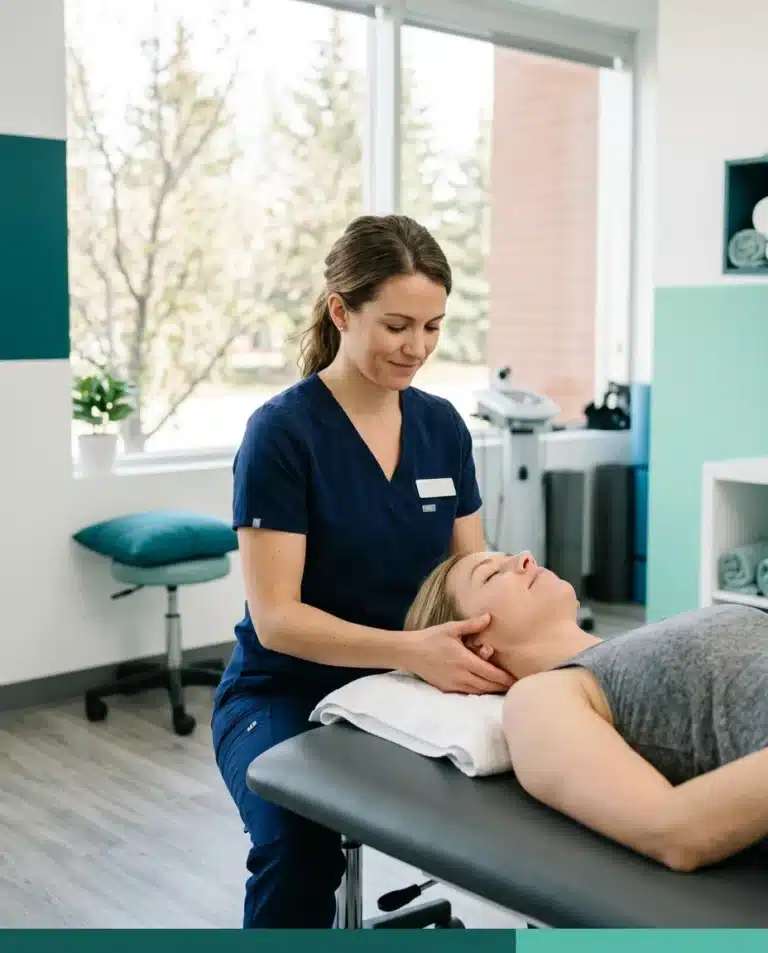
Gentle, hands-on therapy targets the jaw joint and surrounding soft tissues to restore alignment, release restrictions, and improve joint motion. This helps reduce pressure on the joint surfaces while easing discomfort during chewing or speaking.

Customized stretching routines address tightness in the jaw, cervical spine, and upper shoulders. These stretches relieve muscle tension, improve flexibility, and encourage balanced motion between the jaw and neck.

Through guided movement training, we retrain muscles to work in harmony, reducing compensations that cause pain or clicking. This helps restore a natural rhythm in jaw opening, closing, and side movements.

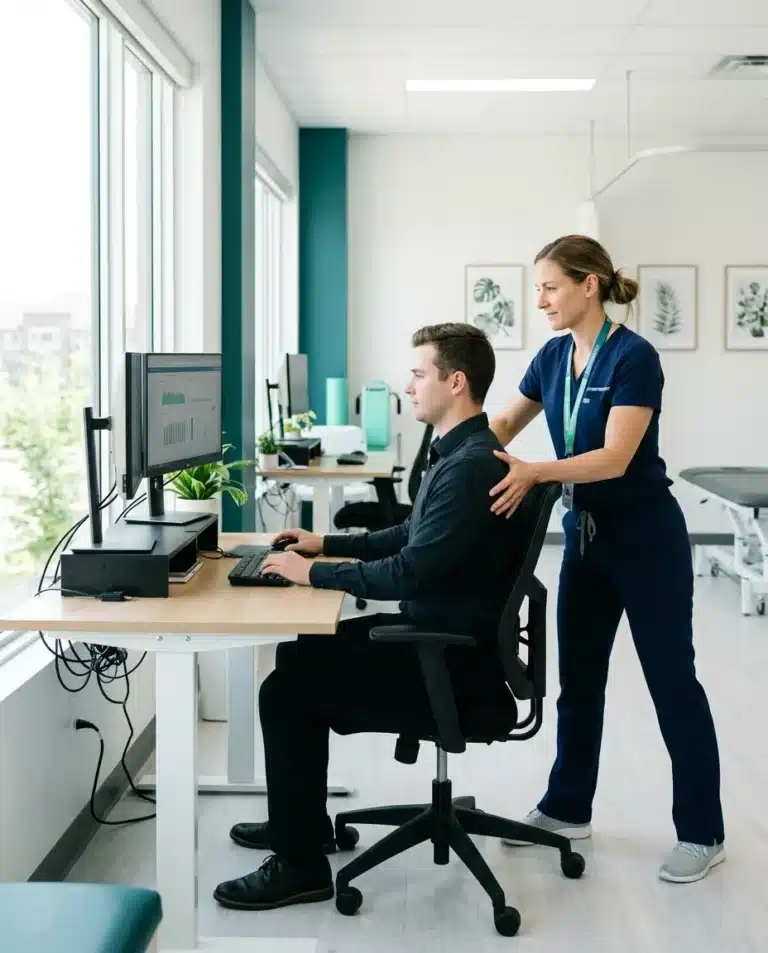
Poor posture, especially from prolonged computer or phone use, can strain the TMJ and neck. Our sessions include posture retraining and ergonomic advice to promote proper head and neck alignment throughout daily activities.

Tight muscle bands in the jaw, neck, or shoulders can refer pain to the face or head. By applying focused pressure and release techniques, we reduce muscle knots, enhance circulation, and relieve referred pain patterns.

Specific jaw and neck control exercises strengthen stabilizing muscles, helping improve mobility and endurance while preventing recurring stiffness or jaw locking.

Acupuncture treatment, heat therapy, or ultrasound may be incorporated to relax deep tissues, improve blood flow, and support nerve function, complementing manual therapy for enhanced recovery.

Consistent sessions in TMJ physiotherapy can lead to reduced jaw pain, smoother movement, better posture, and fewer headaches or facial spasms. Patients often report improvement not just in jaw comfort but also in sleep quality and stress relief.

How Is TMJ Rehabilitation Therapy Customized for Each Person?

No two cases of TMJ dysfunction are exactly alike; what causes pain for one person may not affect another in the same way. That’s why every TMJ Rehabilitation Therapy plan at Eastgate Physiotherapy is personalized, taking into account your movement patterns, pain triggers, and daily habits.

Our Individualized Process Includes

We begin with an evaluation of jaw movement, bite pattern, neck mobility, and muscle balance. This helps identify where strain is originating, whether from joint restriction, muscle tension, or posture.

Your care plan is built around what matters most to you, whether it’s eating comfortably, reducing headaches, or restoring pain-free speech.

Depending on your condition, your program may combine manual therapy, jaw exercises, neck and shoulder re-education, posture correction, and relaxation techniques for a complete recovery approach.

As pain decreases, we gradually reintroduce more challenging movements to strengthen the jaw and prevent recurring stiffness or instability.

You’ll learn at-home strategies such as jaw relaxation positions, stress management, and ergonomic awareness to maintain balance between sessions.

This collaborative approach ensures your recovery aligns with your comfort level, daily routine, and long-term wellness goals.

Whether your concern is jaw clicking, facial pain, or tightness spreading into the neck and shoulders, our tailored TMJ physiotherapy Sherwood park sessions help rebuild confidence in your movement and restore lasting comfort.

How Often Should You Attend TMJ Physiotherapy Sessions?

The frequency of TMJ physiotherapy depends on several factors, including the severity of your jaw pain, how long you’ve had symptoms, your lifestyle habits, and your overall treatment goals.

At Eastgate Physiotherapy, we believe in a balanced, step-by-step approach where progress is measured carefully and comfort is never compromised. Each treatment plan is customized to your pace, ensuring sustainable improvement rather than short-term relief.

Typical Care Schedule at Eastgate Physiotherapy

Initial Phase (First Few Weeks)

During the early sessions, your physiotherapist focuses on easing jaw and neck tension, improving joint mobility, and reducing pain or clicking. You may attend 1–2 sessions per week, depending on your discomfort level and how your muscles respond to treatment.
This stage often includes manual therapy, jaw and neck stretches, and neuromuscular re-education to restore smoother, more natural movement.

Strengthening and Postural Phase

Once pain subsides, therapy shifts toward strengthening, coordination, and alignment. These sessions, typically once a week or every other week, help retrain muscle control between your jaw, neck, and shoulders. Focus is placed on correcting posture, improving endurance, and reinforcing healthy habits that reduce pressure on the temporomandibular joint during everyday activities.

Maintenance and Prevention Phase

After achieving steady improvement, periodic follow-ups or at-home exercise reviews help maintain your progress. These occasional check-ins are designed to prevent flare-ups, address any new tension from work or stress, and ensure your jaw remains flexible and strong in the long run.

Can TMJ Physiotherapy Work Alongside Dental or Medical Treatment?

Absolutely. TMJ dysfunction often involves a combination of muscular, joint, and dental factors, which means coordinated care delivers the best outcomes. At Eastgate Physiotherapy, we work collaboratively with dentists, physicians, and other healthcare professionals to make sure your treatment plan supports every aspect of recovery.

How Integrated Care Enhances TMJ Treatment

If your TMJ dysfunction is related to clenching, grinding, or bite misalignment, your dentist may recommend a mouthguard while physiotherapy works on muscle relaxation, posture, and joint mobility. This combination helps address both the cause (jaw tension and muscle imbalance) and the effect (wear and tear on the teeth or jaw joint).

In cases involving arthritis, inflammation, or nerve irritation, physiotherapy complements medical management by promoting mobility, reducing muscle strain, and improving daily comfort without interfering with prescribed treatments.

TMJ rehabilitation therapy focuses not just on local pain relief but also on the broader picture, including neck alignment, breathing patterns, and stress levels, ensuring the entire upper body system functions in sync.

This collaborative model allows patients to experience steady progress, lasting results, and reduced recurrence of symptoms. By combining TMJ physiotherapy with dental or medical support, your care becomes truly well-rounded and sustainable.

What Long-Term Benefits Can You Expect from TMJ Rehabilitation Therapy Sherwood Park?

The benefits of TMJ Rehabilitation Therapy Sherwood Park extend well beyond immediate pain relief. Over time, physiotherapy helps retrain your muscles, realign movement patterns, and improve how your jaw, neck, and shoulders function together.

Long-Term Benefits Include

Reduced Jaw and Facial Pain

Consistent therapy helps relax tight muscles, reduce inflammation, and restore normal joint motion, making daily activities like eating and speaking easier.

Improved Posture and Alignment

By correcting upper body mechanics, TMJ physiotherapy reduces neck and shoulder tension that often aggravates jaw pain.

Fewer Headaches and Migraines

As muscle tension decreases, many patients notice significant reductions in chronic tension headaches or jaw-related migraines.

Enhanced Jaw Stability and Strength

Strengthening the jaw and surrounding muscles may help support jaw stability and reduce recurring stiffness or joint clicking, helping maintain comfort long-term.

Better Sleep and Relaxation

Addressing nighttime clenching and jaw tension can improve rest, reduce morning stiffness, and enhance overall well-being.

Improved Quality of Life

TMJ rehabilitation promotes smoother movement, easier communication, and greater confidence in daily activities, from smiling to chewing without discomfort.

Why Consistent TMJ Therapy Matters for Jaw Health

TMJ dysfunction often develops gradually through long-standing tension, poor posture, or stress-related clenching. That’s why regular care is key; consistent sessions allow the muscles, ligaments, and joints to adapt safely, reducing the risk of recurrence and promoting long-term balance between your jaw and neck.

Why Choose TMJ Rehabilitation Therapy Sherwood Park?

At Eastgate Physiotherapy, we believe in restoring your jaw’s natural function while improving overall balance through targeted physical therapy and neuromuscular re-education. Our care focuses on comfort, education, and gradual progress, ensuring you feel at ease every step of the way.

What Sets Our Approach Apart

  • Holistic focus on jaw, neck, and shoulder connections
  • Gentle manual therapy and customized TMJ exercises
  • Patient education for self-management and prevention
  • Collaboration with dental and medical professionals when needed
  • Personalized plans designed around your lifestyle and goals

Ready to Relieve Jaw Pain and Restore Comfort?

If jaw discomfort, headaches, or tension are affecting your daily life, physiotherapy can help restore balance and mobility. Book your appointment for TMJ Rehabilitation Therapy Sherwood Park today at Eastgate Physiotherapy and take the first step toward a more relaxed, stress-free jaw.

Meet Our Physiotherapy Team

Satish Pandya – Physiotherapist

With over 35 years of experience, Satish focuses on TMJ assessment, treatment, and rehabilitation, helping clients restore jaw movement and reduce chronic facial pain. His knowledge in vestibular rehabilitation, Graston Technique, acupuncture, and sports injury care ensures a well-rounded approach to pain relief and recovery.

Satish Pandya

Physiotherapist

Mae Latigo, RMT

Mae’s massage techniques, including deep tissue, trigger point therapy, and neuromuscular release, support TMJ rehabilitation by reducing tension and improving circulation in the jaw and neck area.

Mae Latigo

Registered Massage Therapist

Patrick Dobberthien, RMT

Patrick provides orthopedic and sports massage treatments that complement TMJ physiotherapy, easing neck and shoulder strain linked with jaw dysfunction.

Together, our team combines hands-on care with patient education to help you move, speak, and smile comfortably again.

Patrick Dobberthien

Registered Massage Therapist

Frequently Asked Questions

General Questions About TMJ Rehabilitation Therapy Sherwood Park

TMJ Rehabilitation Therapy in Sherwood Park focuses on improving function and reducing pain in the temporomandibular joint (TMJ), linking your jaw to the skull. You might need it if you're experiencing jaw stiffness, clicking, headaches, or difficulty chewing.

Yes, TMJ physiotherapy near you can address the underlying muscle tension and joint misalignment that often cause jaw noises. Treatment may include TMJ exercises, manual therapy, and postural correction to reduce or eliminate the sounds.

Not always. TMJ pain can also be linked to neck and shoulder tension, posture problems, teeth grinding, or stress. That’s why TMJ Rehabilitation Therapy often involves treating more than just the jaw.

While dental treatments may address bite alignment or teeth grinding, TMJ physiotherapy focuses on soft tissues, joint mobility, and muscular function around the jaw, neck, and shoulders. Both may work together for better results.

The jaw, neck, and shoulders share muscle groups and nerve pathways. Tension or misalignment in one area can affect the others. TMJ Rehabilitation Therapy includes exercises and techniques to improve overall alignment and mobility.

Starting TMJ Physiotherapy and What to Expect

Your initial session involves a physical exam of your jaw, neck, and shoulders, a review of symptoms like headaches or jaw pain, and tests for joint movement, strength, and posture. A customized care plan is then developed.

It varies per person. Some see relief in a few sessions, while others with chronic conditions will need ongoing care. Your physiotherapist will adjust the treatment based on your response and goals.

Wear loose-fitting clothing that gives easy access to your neck and shoulders. Bring along any previous imaging results, a list of your current symptoms, and information about past jaw or neck treatments.

No, you typically don’t need a referral to begin TMJ Rehabilitation Therapy in Sherwood Park. However, some insurance providers may request one for reimbursement. Our team can help clarify your coverage.

Some patients notice improvement after just one or two sessions, especially with reduced muscle tension. Others with more complex issues may see gradual progress over a few weeks.

Conditions and Symptoms Treated With TMJ Rehabilitation

Yes, TMJ dysfunction can sometimes irritate nearby structures, causing ear-related symptoms. Addressing jaw and neck tension through TMJ Rehabilitation Therapy may help reduce these sensations.

Absolutely. Prolonged screen time or poor workstation setup can strain the neck and jaw. TMJ physiotherapy includes posture correction strategies to reduce these strains.

Yes, muscle tension in the jaw, neck, or shoulders can trigger tension headaches. TMJ therapy often includes techniques that reduce this muscle tightness and improve alignment, helping relieve headache symptoms.

Yes, surgeries (like dental or sinus procedures) or trauma to the face or neck can contribute to TMJ issues. TMJ Rehabilitation Therapy can support recovery by improving soft tissue mobility and joint function.

Yes. TMJ Rehabilitation Therapy can restore proper joint mechanics, reduce pain, and improve jaw mobility, making it easier to chew, open your mouth, or speak without discomfort or locking.

Techniques and Approaches in TMJ Rehabilitation

TMJ exercise routines may include stretches that relieve muscle tightness in the jaw, upper neck, and shoulders. These exercises improve mobility, ease tension, and restore better function to the jaw joint.

Neuromuscular re-education involves retraining how your muscles move and respond. For TMJ, it helps correct faulty movement patterns in the jaw, improving coordination, posture and reducing strain on the joint.

Yes. Manual therapy helps mobilize stiff joints and release tight muscles. Dry needling may be used for deeper muscle trigger points to control pain and improve range of motion.

Yes. Your therapist will often prescribe self-massage, TMJ stretches, posture drills, or the use of heat/ice packs to manage symptoms between sessions. Consistent home care supports faster progress.

Yes. TMJ physiotherapy doesn’t only treat the jaw, it addresses the entire upper body chain. Improving posture, alignment, and mobility from the neck to the shoulders can significantly ease jaw tension and pain.

TMJ And Daily Activities

Yes. TMJ dysfunction can contribute to jaw clenching, muscle tension, headaches, and discomfort that interrupt sleep. TMJ Rehabilitation Therapy in Sherwood Park at Eastgate Physiotherapy helps reduce tension and improve relaxation in the jaw, neck and shoulders.

Morning stiffness is often linked to nighttime teeth grinding, jaw clenching, or prolonged muscle tension. Treating TMJ dysfunction through TMJ exercise and physical therapy can help reduce overnight tightness.

Absolutely. Stress commonly increases jaw tension and muscle guarding, which may worsen temporomandibular joint dysfunction symptoms like jaw pain and headaches.

Yes. Tightness in the cheeks, temples, and jaw muscles is common with TMJ dysfunction. TMJ physiotherapy focuses on improving alignment and mobility while reducing muscular tension.

Yes. Extended talking, chewing, or singing may overload irritated jaw muscles and joints, especially if temporomandibular disorders are already present.

Hard, chewy, or crunchy foods can place extra strain on the temporomandibular joint. TMJ Rehabilitation Therapy helps improve muscular endurance and jaw function for everyday activities.

Posture, Alignment, And Movement

Forward head posture adds more stress on the jaw, neck and shoulders, affecting alignment and mobility. Eastgate Physiotherapy includes posture retraining as part of treating TMJ dysfunction.

Yes. Tightness in the neck and shoulders may alter muscle balance around the jaw, leading to uneven movement patterns and discomfort.

Definitely. Jaw and neck stretches help reduce tension caused by prolonged sitting, screen use, and poor workstation positioning.

Yes, by improving movement efficiency and reducing unnecessary muscle tension, physiotherapy helps your body use less energy during daily tasks, which can reduce fatigue.

Yes. Carrying heavy bags unevenly may strain the neck and shoulders, indirectly increasing stress on the temporomandibular joint.

Physical therapy helps restore normal movement patterns, improve posture, reduce stiffness, and improve mobility throughout the jaw, neck and upper body.

Symptoms And Related Conditions

Yes. Tight jaw muscles and temporomandibular disorders can refer pain into the temples, forehead, and areas around the eyes.

Jaw tension often affects nearby muscles in the neck and head. TMJ Rehabilitation Therapy helps reduce headaches by improving muscle balance and joint mobility.

Yes. Strengthening and coordination exercises may improve muscle endurance and reduce fatigue while talking.

Not always, but persistent clicking with pain, locking, or stiffness may indicate TMJ joint dysfunction that benefits from assessment and treatment.

Yes. Some people experience pain, tightness, or locking during wide jaw movements like yawning due to restricted joint mobility.

Yes. Eastgate Physiotherapy uses manual therapy, stretching, and TMJ exercise techniques to reduce facial muscle tension and improve comfort.

Treatment Approaches And Recovery

Neuromuscular re-education helps retrain jaw movement patterns, improving coordination and reducing excessive stress on the temporomandibular joint.

Yes. TMJ physiotherapy often works alongside dental treatments to address both muscular and bite-related factors contributing to TMJ dysfunction.

Both may help depending on your symptoms. Heat can relax tight muscles, while ice may reduce irritation and inflammation around the jaw joint.

Home exercises are very important for maintaining progress between sessions. Your physiotherapist at Eastgate Physiotherapy may recommend TMJ exercise routines and posture strategies tailored to your needs.

Yes. Since the jaw and neck are closely connected, improving jaw mechanics often helps reduce neck stiffness and improve flexibility.

No. TMJ physiotherapy also addresses the neck and shoulders, posture, breathing patterns, and surrounding muscle function to support full recovery.

Access, Care, And Support

If you are searching for TMJ physiotherapy near me, Eastgate Physiotherapy in Sherwood Park offers personalized care focused on temporomandibular joint dysfunction treatment and restoring comfortable jaw movement.

Not always. Many cases of TMJ dysfunction can be assessed through physical examination and movement testing during your physiotherapy appointment.

Most sessions last between 30 and 60 minutes, depending on your symptoms, treatment plan, and response to therapy.

Yes. Ongoing exercises, posture correction, and stress-management strategies can help reduce flare-ups and support long-term jaw health.

Absolutely. Chronic jaw pain often responds well to consistent physical therapy focused on mobility, muscle balance, and movement retraining.

Eastgate Physiotherapy provides individualized TMJ Rehabilitation Therapy Sherwood Park focused on improving alignment and mobility, reducing jaw pain and headaches, and supporting comfortable daily movement.

Treatment Process and Clinic Experience

Follow-up sessions focus on monitoring progress, adjusting exercises, and addressing any new symptoms. Treatment evolves as your condition improves.

Yes, home exercises are an important part of rehabilitation. They help reinforce clinic-based treatment and maintain progress between sessions.

Frequency depends on your injury and recovery stage. Initially, sessions may be more frequent, gradually reducing as your condition improves.

Yes, your physiotherapist can provide a structured home program or coordinate care to ensure continuity during travel or relocation.

Progress is tracked through mobility measurements, functional assessments, and symptom changes. This helps ensure your rehabilitation plan remains aligned with your recovery goals.

Patient Experiences with TMJ Rehabilitation Therapy in Sherwood Park

Hear from athletes and active individuals in Sherwood Park who overcame injuries and returned to their sport through physiotherapy care.

Start Your Recovery Today

From injury physio to pain relief, our experienced therapists provide personalized treatments to restore your mobility and improve your quality of life.