
At Eastgate Physiotherapy, we provide structured, one-on-one Motor Vehicle Injury Rehabilitation in Sherwood Park to help you recover from whiplash, soft tissue injuries, delayed pain, and other post-accident symptoms safely and confidently.
Target whiplash, muscle tension, joint stiffness, and other injuries following a motor vehicle accident.
Treatment plans tailored to your symptoms, recovery goals, and functional needs.
Improve mobility, balance, strength, and confidence as you return to work and daily activities.

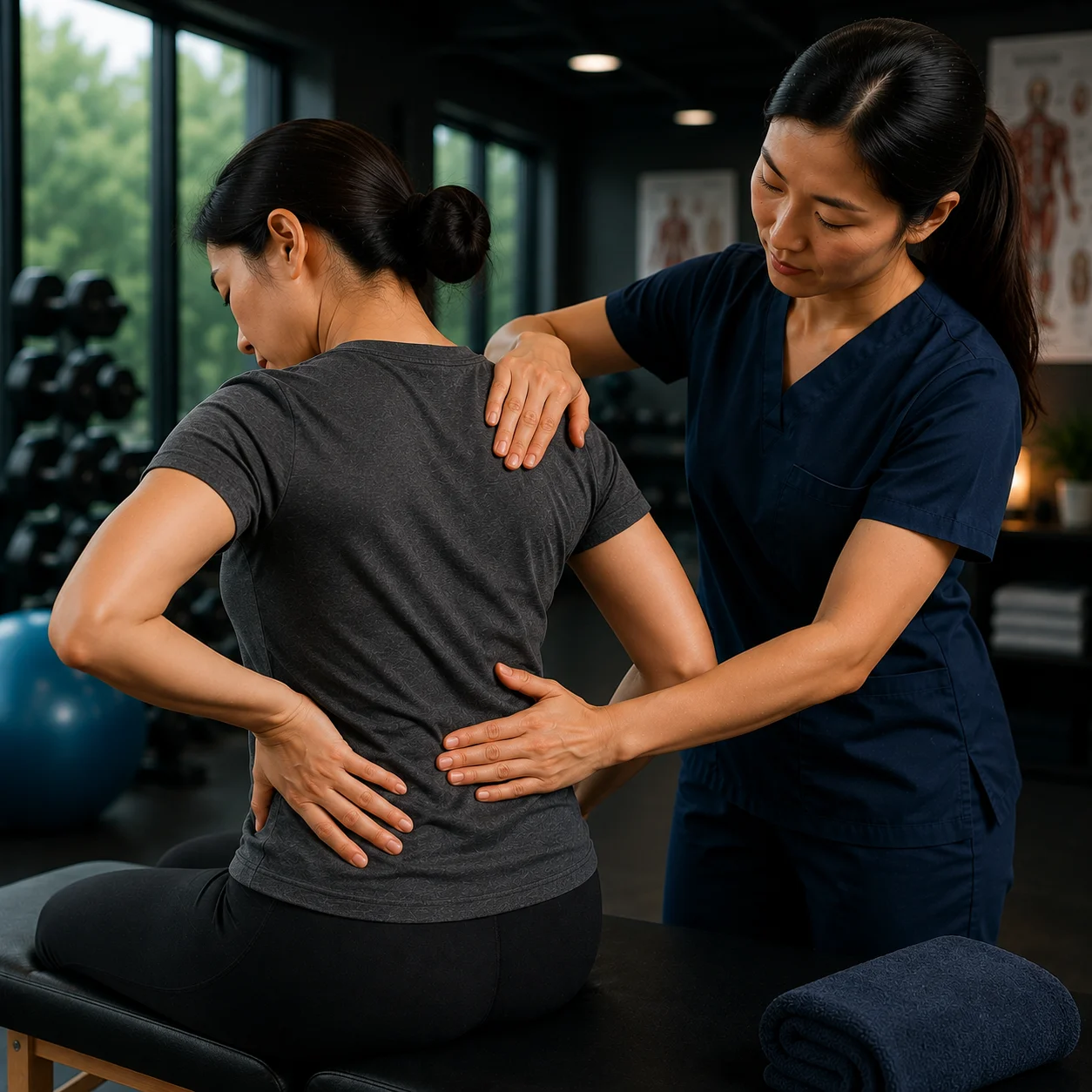
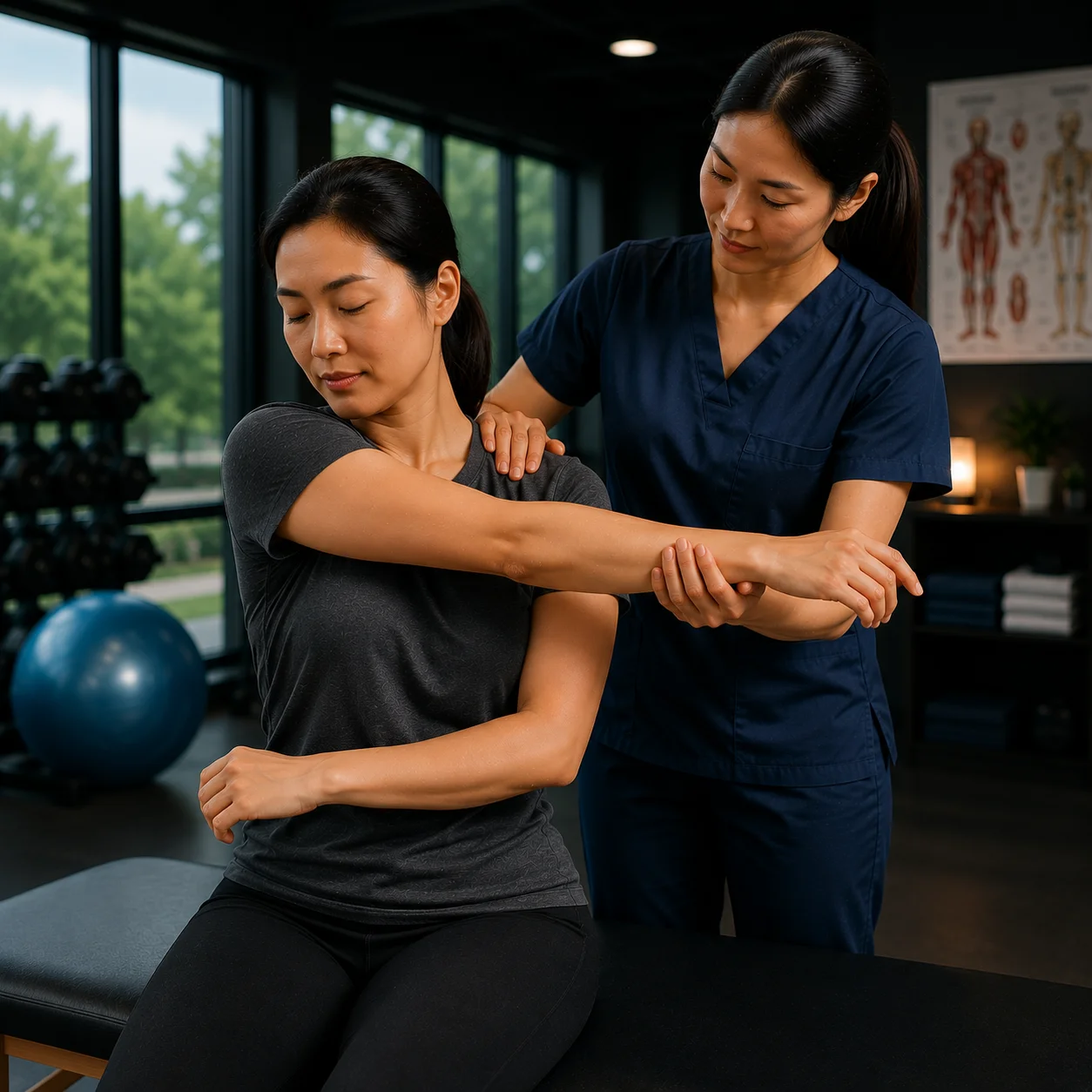
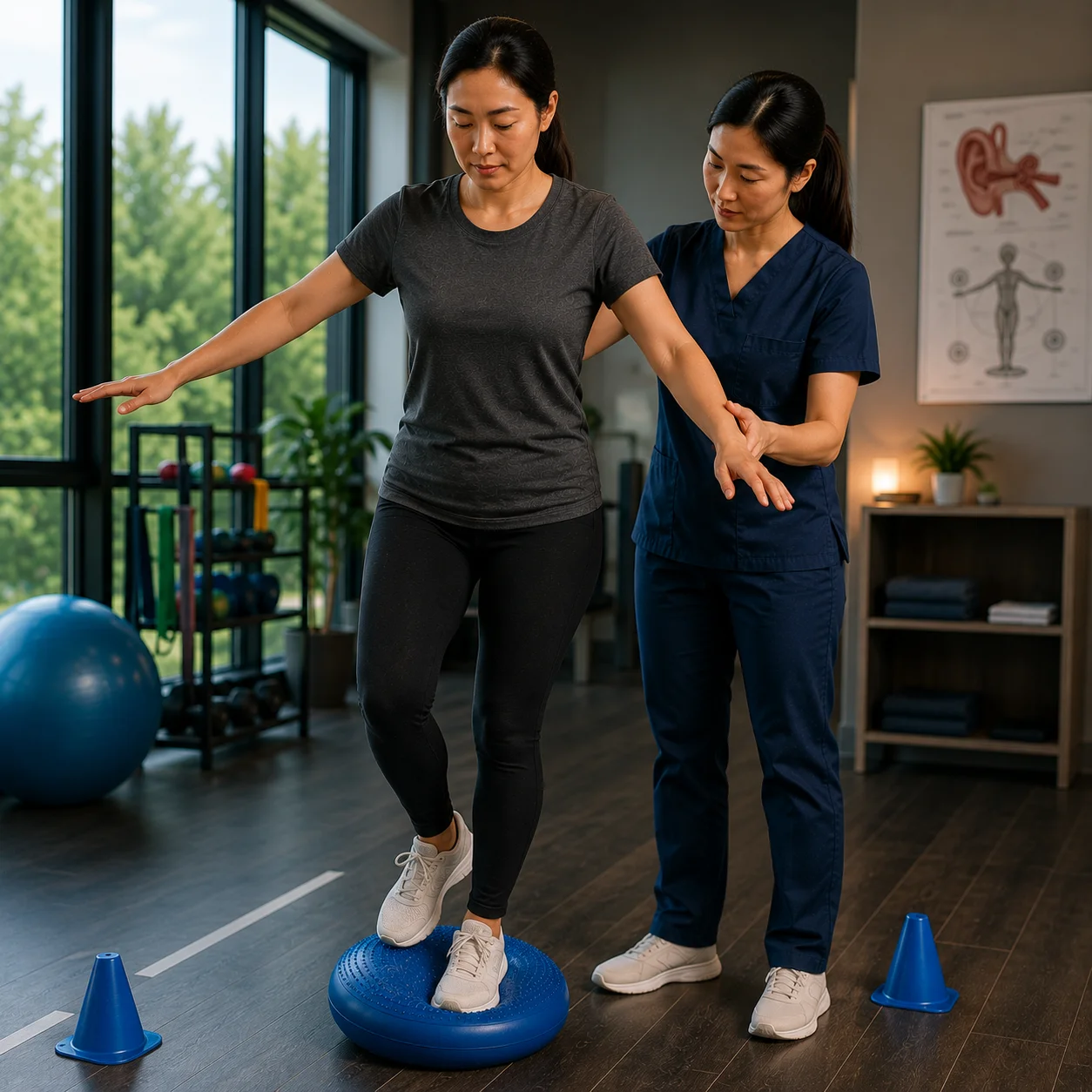
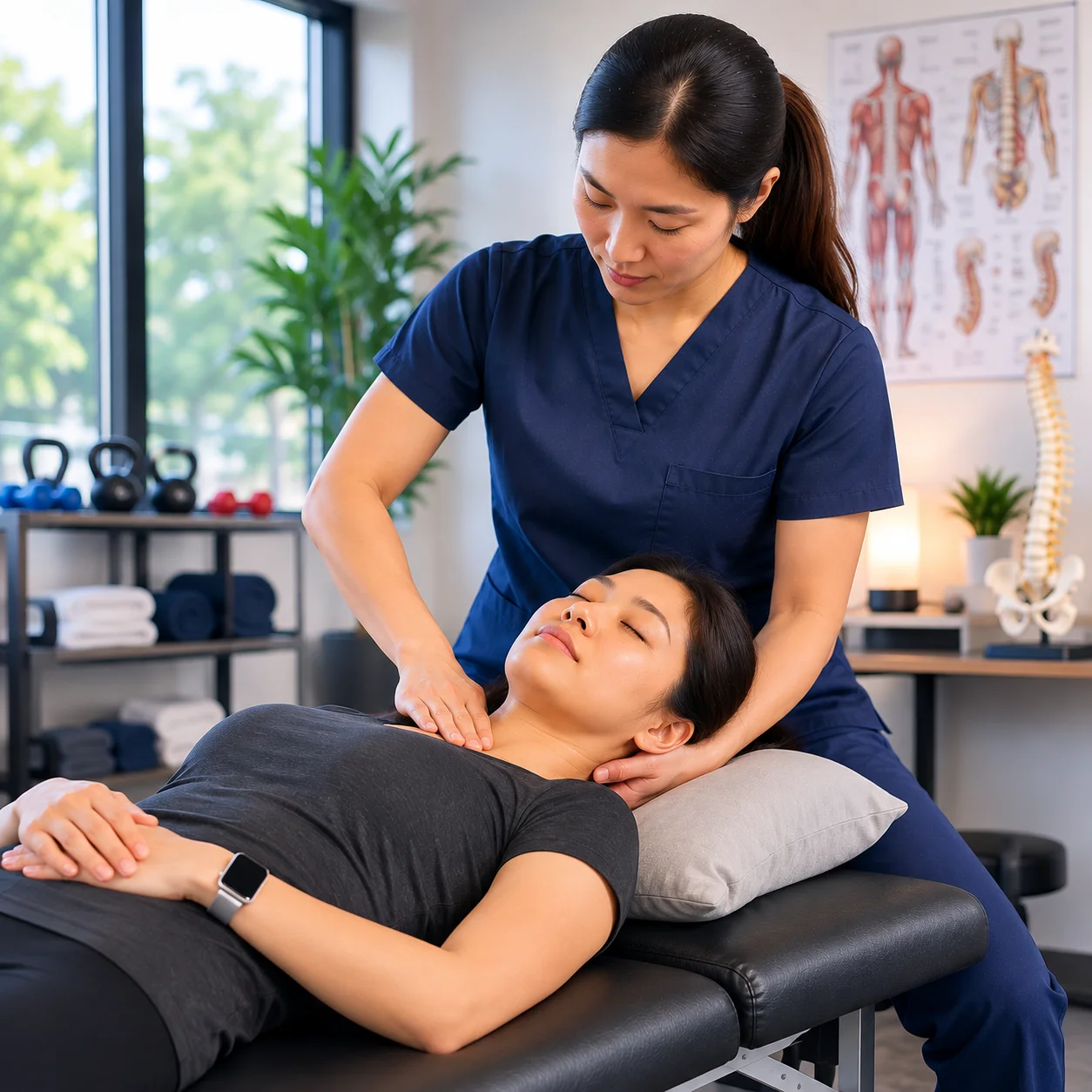
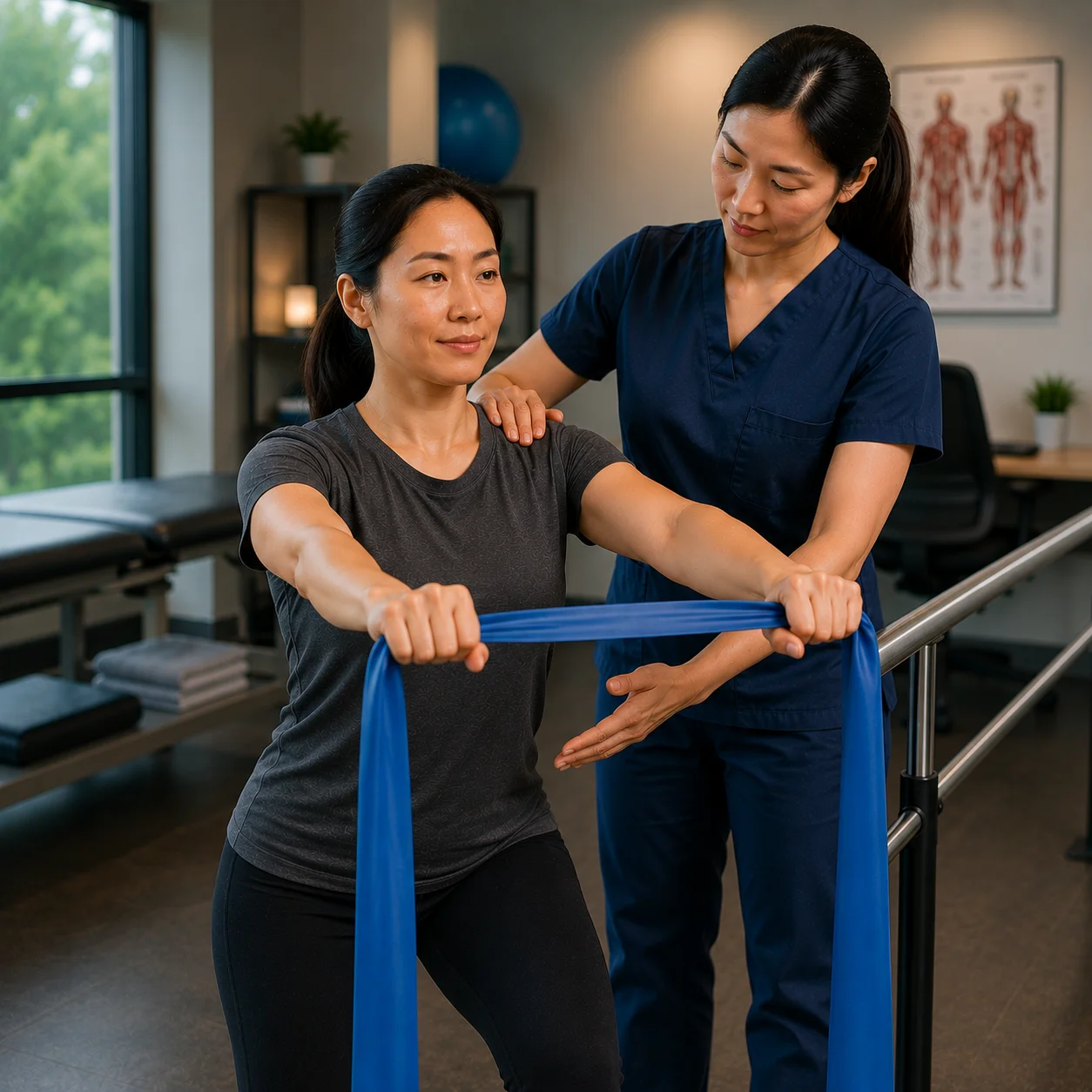
A car accident can change your life in seconds. From whiplash and seatbelt injuries to delayed pain and emotional stress, even a minor collision can leave behind lasting effects. At Eastgate Physiotherapy, we support your recovery through structured, one-on-one Motor Vehicle Injury Rehabilitation in Sherwood Park, designed to help you heal safely and completely at your own pace.
Call us any time
(587) 200-4874
Many people walk away from a car accident feeling “okay” only to experience delayed symptoms like neck stiffness, headaches, or nerve pain days or even weeks later. That’s because hidden injuries often go unnoticed at first.
Getting started with physical therapy for a car accident early on can:
Motor Vehicle Injury Rehabilitation at Eastgate focuses on not just what hurts today but also what may affect you down the road.
Car accidents will cause a wide range of injuries, some obvious, others more subtle. Not all symptoms appear immediately, and that’s why early intervention with Motor Vehicle Injury Rehabilitation in Sherwood Park is so important. At Eastgate Physiotherapy, we treat the full spectrum of post-accident symptoms, from immediate pain to delayed neurological or muscular changes that may only show up days or weeks later.
Below is a breakdown of what you may experience and how our therapy services help address them.
Even minor accidents can trigger sudden trauma to the body. The initial symptoms are often musculoskeletal or neurological in nature and may include:
Whiplash or sudden neck pain
Caused by sudden to and fro movement of the neck. Often results in stiffness, reduced motion, and headache.
Bruising or swelling from seatbelt impact
Seatbelts protect your life, but the force can strain your shoulder muscles, chest wall, or ribs.
Headaches or dizziness
May signal a mild concussion or tension from neck strain.
Back pain or stiffness
Common after low-speed impacts or rear-end collisions, especially in the lumbar region.
Numbness in arms or legs
It could be a sign of nerve compression or disc irritation.
Difficulty moving or walking
Muscle guarding or spinal misalignment can restrict mobility, especially in the hips and knees.
Some injuries take time to surface. You might feel fine immediately after the crash, but begin noticing subtle or worsening signs over time. These delayed symptoms are just as important to treat.
Often overlooked, persistent fatigue can signal post-concussion effects, chronic pain, or stress overload.
Nerve irritation from herniated discs or swelling can affect your limbs, grip strength, or coordination.
Usually stemming from spinal nerve involvement, common in whiplash or sciatica.
Jaw clenching during impact or from trauma can lead to chronic jaw tightness, headaches, and difficulty chewing.
Post-accident trauma may trigger emotional distress, sleep issues, or restlessness.
At Eastgate Physiotherapy, MVA Physio includes both physical and cognitive rehabilitation, ensuring we don’t overlook neurological symptoms that will impact your life.
At Eastgate Physiotherapy, MVA Physio includes both physical and cognitive rehabilitation, ensuring we don’t overlook neurological symptoms that will impact your life.
At Eastgate Physiotherapy, we address a wide range of injuries that result from motor vehicle accident (MVAs). Whether your symptoms appeared immediately or developed weeks later, our goal is to support your recovery through personalized treatment plans designed around your needs.
The team at Eastgate Physiotherapy uses a variety of hands-on and exercise-based techniques to help address pain, restore function, and support long-term recovery. All treatment methods are tailored based on your symptoms and progress.
At Eastgate Physiotherapy, we understand that no two motor vehicle accidents or recoveries are the same. That’s why we provide a structured but personalized Motor Vehicle Injury Rehabilitation process in Sherwood Park, guiding you step-by-step from assessment to full recovery.
Whether you’ve been injured in a recent car accident, are dealing with delayed pain, or facing long-term complications, we’re here to help you move forward safely and confidently.
Step 1: Comprehensive Assessment and Symptom Review
Your rehabilitation journey begins with a thorough one-on-one assessment with your physiotherapist. This allows us to fully understand the nature of your injuries and how they’re affecting your daily life. This is especially important for hidden injuries or symptoms that develop over time, such as whiplash, nerve pain, or stiffness after a car accident.
What we evaluate:
This baseline helps us identify areas that need immediate care and those that may require longer-term attention, including soft tissue injuries, nerve-related symptoms, or concussion care.
Step 2: Creating Your Personalized Treatment Plan
Once we’ve assessed your condition, your therapist will develop a customized treatment plan built around your symptoms, functional goals, and recovery timeline. Whether you’re recovering from a seatbelt injury, post-accident headaches, or chronic stiffness, we use a range of targeted therapies to restore strength, mobility, and comfort.
Your care plan may include:
This phase is about more than just treating pain; it’s about equipping you with the tools to move safely again.
Step 3: Recovery, Functional Reintegration, and Progress Monitoring
Healing from a motor vehicle accident isn’t just about feeling better; it’s about getting back to the activities that matter. Whether that’s returning to work, driving, or enjoying hobbies again, our focus is on helping you regain confidence and independence through a structured recovery program.
What we do during this phase:
Not all injuries after a car accident are felt immediately. In fact, some of the most persistent symptoms will take days or even weeks to fully develop. At Eastgate Physiotherapy, we often see clients who come in only after they begin to feel unexpected stiffness, pain, or fatigue well after their accident.
Understanding delayed symptoms helps you take action before small issues turn into chronic problems.
Right after an accident, your body releases adrenaline and stress hormones that temporarily reduce pain signals. This survival response may mask symptoms like:
You might feel “fine” in the moment, but discomfort often builds as the body begins to settle and inflammation sets in.
Just because your symptoms didn’t show up immediately doesn’t mean they aren’t valid or treatable. At Eastgate Physiotherapy, we assess hidden injuries thoroughly, especially when clients report:
Even small fender benders can cause soft tissue strain, whiplash injury, or nerve irritation, which may take time to surface. We help you understand the cause of your symptoms, not just manage them.
Just because your symptoms didn’t show up immediately doesn’t mean they aren’t valid or treatable. At Eastgate Physiotherapy, we assess hidden injuries thoroughly, especially when clients report:
Even small fender benders can cause soft tissue strain, whiplash injury, or nerve irritation, which may take time to surface. We help you understand the cause of your symptoms, not just manage them.
It’s never too early or too late to begin Motor Vehicle Injury Rehabilitation in Sherwood Park. Even if your discomfort seems mild, timely care can:
By addressing your symptoms early, we can guide your body back to balance before the effects become long-term.
If you’re experiencing new or delayed symptoms after a motor vehicle accident, don’t wait. Let the team at Eastgate Physiotherapy assess, support, and guide you with a personalized plan for recovery at your pace, with your goals in mind.
There is no one-size-fits-all answer. Some clients respond well to a few weeks of care, especially if they sought MVA physiotherapy soon after the accident. Others, particularly those experiencing whiplash injury, nerve irritation, post-concussion symptoms, or chronic pain, may require longer care plans, sometimes several months.
What matters most is consistency and working with a team that tracks your progress and adjusts your care accordingly.
At Eastgate Physiotherapy, we recognize that recovery isn’t just physical, it’s emotional and functional, too. Whether you’re early in your journey or seeking help weeks after your motor vehicle accident, we’re committed to helping you heal on your terms.
Recovering from a motor vehicle accident isn’t just about getting out of pain; it’s about returning to your regular routine with confidence, comfort, and mobility. At Eastgate Physiotherapy, we go beyond short-term relief. Our goal is to help you safely re-engage in the activities that matter most to you, whether it’s work, parenting, hobbies, or simply sleeping through the night without discomfort.
Motor vehicle accidents often impact how you move, from the way you turn your head while driving to how you sit, bend, lift, or walk. Over time, these changes can lead to compensations that cause muscle fatigue, joint stiffness, or nerve compression.
Through personalized movement training, our team helps you:
Every movement you regain is a step toward restoring your independence.
It's common to feel hesitant about returning to regular activities after a car accident, especially if you've experienced delayed pain, balance issues, or post-concussion symptoms. That fear is valid, but it shouldn't limit your recovery.
Our team helps address these fears by:
This approach supports both physical and emotional recovery, key components of returning to daily life.
Whether you sit at a desk, stand for long periods, lift objects, or drive for work, motor vehicle injuries can disrupt your ability to perform even simple job tasks. We assess your work-related needs and help you develop the strength and endurance to return with less risk of re-injury.
Our therapists may support you with:
If you're a student or caregiver, we adjust your rehab to make sure you can manage your daily responsibilities safely.
Motor Vehicle Injury Rehabilitation in Sherwood Park at Eastgate Physiotherapy is more than pain relief; it’s whole-person recovery that supports your full return to life, movement, and peace of mind.
At Eastgate Physiotherapy, we provide one-on-one support and care that puts your recovery and comfort first. Our approach is thoughtful, hands-on, and built on years of experience helping people navigate the aftereffects of motor vehicle accidents.
From whiplash to soft tissue injuries, from stiffness to seatbelt trauma, we design care plans that meet you where you are and help you get where you want to be.
In Alberta, most car accident-related physiotherapy is covered under auto insurance through the Diagnostic and Treatment Protocol (DTP). We help with:
You don’t need to wait or navigate it alone; we’ll walk you through each step of your post-accident rehab process.
You don’t have to go through post-accident recovery alone. Whether your pain started immediately or appeared weeks later, Motor Vehicle Injury Rehabilitation in Sherwood Park at Eastgate Physiotherapy can help you heal safely and steadily.
Book your first session today and take the first step toward feeling like yourself again. Looking for physical therapy for a car accident near me? We’re right here in Sherwood Park, ready to support your recovery.
Satish brings over 35 years of experience to the Eastgate team, with a focus on treating whiplash injuries, sports-related trauma, concussion rehab, and vestibular challenges following car accidents. His patient-centred style and collaborative care approach help clients recover function and reduce long-term discomfort.
Mae offers a variety of massage styles, including deep tissue, orthopedic, sports, and trigger point therapy, all useful for easing muscle tightness, scar tissue, and stress after an accident. She often works alongside physiotherapists to support a full-body recovery experience.
With 17+ years of experience in orthopedic and sports massage, Patrick plays a vital role in reducing stiffness after a car accident, improving mobility, and helping clients manage both acute and chronic post-MVA pain. His patient-focused approach ensures every session is meaningful and effective.
Motor Vehicle Injury Rehabilitation in Sherwood Park focuses on helping you recover from strains, sprains, joint stiffness, headaches, whiplash, and other effects of a collision. Starting early, ideally within the first few days, can reduce swelling, prevent stiffness, and help your body heal more efficiently. Even if discomfort seems mild, early care helps prevent chronic issues from developing.
Yes. Many car accident injuries don’t show immediate symptoms because adrenaline masks pain. Physical therapy helps uncover and treat hidden issues like neck strains, nerve irritation, or muscle guarding before they evolve into long‑term problems. Early assessment ensures you get the support your body needs as subtle symptoms surface.
Delayed symptoms often happen because soft tissues react slowly to trauma. Muscles get tight, inflammation builds, and nerves may become irritated hours or days after the collision. This is why delayed pain after a car accident is common. Rehabilitation helps manage these changes and prevent worsening discomfort.
Yes. Your body’s stress response protects you immediately after impact, but as adrenaline fades, muscles tighten and soreness appears. This delayed onset is common with whiplash injury and seatbelt‑related strains. Physiotherapy helps calm irritated tissues, restore mobility, and ease the gradual onset of pain.
Physiotherapy helps with neck pain, back pain, shoulder strains, headaches, vertigo, seatbelt injury discomfort, joint stiffness, bruising, nerve irritation, and post‑surgical recovery. Whether your symptoms are mild or more severe, rehabilitation promotes healing and prevents long-term mobility limitations.
Yes. Stiffness after a car accident usually comes from muscle guarding, inflammation, and joint irritation. Rehabilitation exercises, gentle mobility work, and manual therapy help loosen tight tissues and restore smoother movement. With consistent care, the body gradually regains flexibility and comfort.
Whiplash can cause ligament strain, muscle tension, dizziness, headaches, and reduced neck movement. Without early treatment, these symptoms may linger and interfere with sleep, work, or daily tasks. Physiotherapy helps improve posture, increase mobility, and reduce the long-term impact of this injury.
Seatbelts save lives, but they will also strain chest muscles and irritate the shoulder during sudden impact. Lingering discomfort can appear hours or days later. Therapy helps ease tissue tightness, improve breathing movements, and restore normal shoulder mechanics.
Dizziness can come from neck strain, vestibular irritation, or a mild concussion. You should get assessed promptly. Physiotherapy can help by addressing balance issues, neck tension, and mobility restrictions that contribute to these symptoms.
Yes. Post‑accident headaches often come from tight neck muscles, joint irritation, or nerve sensitivity. Treatment targets the root cause through posture correction, soft tissue work, and gentle mobilizations to relieve pressure and reduce headache frequency.
A personalized treatment plan includes a full assessment, a review of your car accident injuries, mobility testing, and collaborative goal‑setting based on your symptoms and lifestyle. Your plan combines hands‑on care, progressive rehab exercises, and strategies to reduce pain and improve daily movement.
Recovery timelines vary based on your injuries, age, fitness level, and how soon you begin care. Some people feel better within a few weeks, while others with more complex injuries may need longer support. Your physiotherapist adjusts your plan as your body improves.
Exercises often include gentle stretches, core activation, posture training, neck mobility drills, and stabilization work. These exercises help you regain movement, reduce stiffness, and improve strength. They are introduced gradually to avoid aggravating sensitive tissues.
Yes. Manual therapy such as soft tissue release, joint mobilization, and gentle stretching complements exercise therapy. The combination helps lower pain, improve circulation, and prepare your body for strengthening movements.
Yes. Delayed symptoms are common, and your therapist will adjust your care plan accordingly. This ensures your treatment always aligns with how your body responds and recovers over time.
Most cases do not require a referral. You can begin treatment directly at Eastgate Physiotherapy. Some insurance plans may request documentation later, but starting early ensures your symptoms are managed promptly.
Most auto insurance policies provide coverage for MVA injuries, including physiotherapy. Coverage can begin immediately, and clinics typically assist with submitting reports and forms. This helps you focus on healing instead of paperwork.
Yes. Most patients can book appointments quickly at our clinic, especially for acute injuries. Early access helps reduce pain, manage swelling, and prevent long-term mobility limitations. Booking soon after the accident offers better recovery outcomes.
Bring your accident information, claim details, comfortable clothing, and any medical reports or imaging if available. This helps your therapist understand your full medical picture and design the right care plan from the start.
Absolutely. Even if weeks or months have passed, rehabilitation can still reduce pain, improve movement, and restore function. Many people seek care later once delayed symptoms appear, and physiotherapy remains highly beneficial at any stage of recovery.
Yes, many individuals continue working during rehabilitation, depending on injury severity and job demands. Modified duties, reduced hours, or ergonomic adjustments may be recommended. Physiotherapy supports safe participation in work tasks while minimizing strain and preventing further aggravation of healing tissues.
Not necessarily. While rest is important initially, complete inactivity can increase stiffness and delay recovery. Guided, low-impact movements introduced by your physiotherapist help maintain circulation, reduce muscle tension, and gradually restore strength without placing unnecessary stress on injured structures.
Returning to driving depends on your neck mobility, reaction time, and comfort level. Physiotherapy helps improve range of motion and coordination. Gradual exposure, starting with short drives, helps your body adapt to the physical demands of driving safely.
Yes, extended sitting can increase pressure on the spine, tighten hip muscles, and worsen neck or back discomfort. Taking regular breaks, adjusting posture, and using lumbar support can reduce strain. Physiotherapists often recommend movement intervals to maintain flexibility throughout the day.
Heavy lifting should be approached cautiously, especially in early recovery stages. Improper lifting can aggravate injured tissues. Your physiotherapist will guide safe lifting techniques and gradually reintroduce load-bearing activities as your strength and stability improve.
Sleep posture plays a significant role in tissue recovery. Poor positioning can increase strain on the neck, shoulders, or spine. Using supportive pillows and maintaining neutral alignment helps reduce overnight stiffness and supports better healing.
Yes, improper pillow height or firmness can strain healing neck tissues. A pillow that supports the natural curve of your neck helps maintain alignment and reduces stress on muscles and ligaments affected by whiplash.
Adjusting chair height, monitor level, and keyboard positioning can reduce strain on the spine and shoulders. Small changes in workspace setup help maintain proper posture and reduce repetitive stress on sensitive areas during recovery.
Neck braces may be recommended briefly in certain cases, but prolonged use can weaken muscles. Controlled movement and guided exercises are generally more beneficial for restoring strength and mobility over time.
Posture awareness, strengthening exercises, and ergonomic adjustments all contribute to better alignment. Physiotherapy helps retrain muscles to support proper posture, reducing unnecessary stress on joints and soft tissues.
Yes, both can be useful at different stages. Ice helps reduce swelling in the early phase, while heat can relax tight muscles later. Your physiotherapist can guide appropriate timing and duration for each method based on your symptoms.
Pain fluctuations are common as tissues heal and activity levels change. Increased movement, fatigue, or inflammation can temporarily heighten discomfort. Consistent rehabilitation helps stabilize symptoms over time and improves tolerance to daily activities.
Yes, the body uses energy to repair damaged tissues, which can lead to fatigue. Gradual progression of exercises and proper rest help balance recovery without overwhelming your system.
Stress can increase muscle tension and heighten pain perception. Managing stress through breathing techniques, relaxation strategies, and regular movement can support both physical and mental recovery.
Improvement is often seen in increased mobility, reduced stiffness, and greater tolerance for daily activities. Progress may be gradual, and your physiotherapist tracks changes to ensure recovery stays on the right path.
Limited mobility can lead to stiffness, muscle imbalances, and joint restrictions. Restoring movement helps maintain flexibility, improve circulation, and support overall functional recovery.
Yes, muscle weakness can reduce joint stability and increase strain on surrounding tissues. Strengthening exercises help support injured areas and improve overall movement efficiency.
Balance training improves coordination and stability, especially if dizziness or joint instability is present. It helps reduce fall risk and supports safe movement in daily activities.
Core muscles support the spine and help distribute loads during movement. Strengthening this area reduces strain on the back and improves overall functional stability.
Many individuals regain significant movement with consistent rehabilitation. Outcomes depend on injury severity and adherence to treatment, but targeted exercises can greatly improve flexibility and joint function.
Older adults may experience slower tissue healing and reduced flexibility. Rehabilitation focuses on maintaining mobility, preventing deconditioning, and supporting safe daily function.
Yes, conditions like arthritis or previous injuries may influence healing speed. Treatment plans are adjusted to accommodate these factors while promoting steady progress.
Athletes often require sport-specific rehabilitation to restore performance. Exercises are tailored to meet the physical demands of their activities while ensuring safe recovery.
Yes, children can benefit from age-appropriate rehabilitation that supports growth, movement, and recovery while addressing injury-related limitations.
Body weight can influence joint stress and mobility. Gradual strengthening and movement strategies help manage load and improve functional capacity during recovery.
Follow-up sessions focus on monitoring progress, adjusting exercises, and addressing any new symptoms. Treatment evolves as your condition improves.
Yes, home exercises are an important part of rehabilitation. They help reinforce clinic-based treatment and maintain progress between sessions.
Frequency depends on your injury and recovery stage. Initially, sessions may be more frequent, gradually reducing as your condition improves.
Yes, your physiotherapist can provide a structured home program or coordinate care to ensure continuity during travel or relocation.
Progress is tracked through mobility measurements, functional assessments, and symptom changes. This helps ensure your rehabilitation plan remains aligned with your recovery goals.
Hear from athletes and active individuals in Sherwood Park who overcame injuries and returned to their sport through physiotherapy care.
Excellent rating
Based on 84 reviewsTrustindex verifies that the original source of the review is Google. Satish has helped me with numerous issues including a needle-stick injury, a back issue and sciatica. He is an expert in his field who is willing to share his knowledge. His treatments are effective, safe and he has been able to restore my movement every time I have been under his care. I highly recommend Satish for your physiotherapy needs.Trustindex verifies that the original source of the review is Google. I had an excellent experience at East Gate Physiotherapy in Sherwood Park. Satish was incredibly knowledgeable, professional, and genuinely caring. He took the time to understand the source of my intense pain and explained everything clearly while providing effective, targeted treatment. I noticed meaningful pain relief and improvement much faster than I expected. I truly felt listened to and supported throughout the entire process. I highly recommend Satish and the team at East Gate Physiotherapy to anyone dealing with pain or injury.Trustindex verifies that the original source of the review is Google. I’m writing this review as the daughter of a patient, and I can’t say enough good things about Satish at East Gate Physiotherapy in Sherwood Park. My mom had been in severe pain for weeks and wasn’t able to sleep or even walk properly. Satish took so much time with her, showed incredible patience and compassion, and treated her with acupuncture that brought real relief. Seeing my mom finally get some rest and regain mobility was such a relief for our family. We’re incredibly grateful for the care, knowledge, and genuine kindness he showed. I would highly recommend Satish to anyone looking for thoughtful, effective treatment. He is not extremely thorough, knowledgeable and caring.Trustindex verifies that the original source of the review is Google. Very through and professionalTrustindex verifies that the original source of the review is Google. Dr. Pandya is professional, caring and good listener. He explain about injury and how to treat them. I can see the experience and expertise works together for my problem. Thank you.Trustindex verifies that the original source of the review is Google. I would highly recommend Eastgate Physiotherapy clinic in Sh. Park. The staff is very friendly and knowledgeable, and they take very good care of you.Trustindex verifies that the original source of the review is Google. Very welcoming and helpful. First off when I came to inquire , the receptionist was pleasant and helpful with my questions I had. As for my therapist he was very polite , listened and showed great care . Answered my questions and didn't feel like I was being rushed. Thank you Dr. Satish Pandya and staff . My experience was amazing.
Start Your Recovery Today
From injury rehab to pain relief, our experienced therapists provide personalized treatments to restore your mobility and improve your quality of life.