- 937 Fir Street #100, Sherwood Park, AB T8A 4N6
- Mon–Fri 9:00 AM – 7:00 PM
- (587) 200-4874
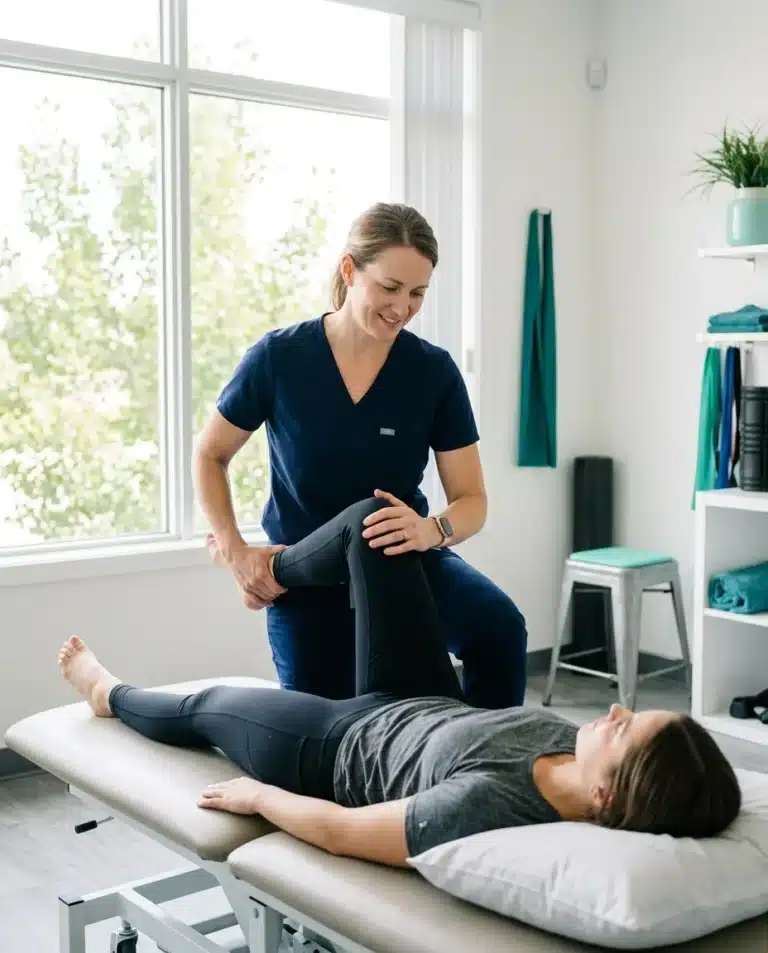
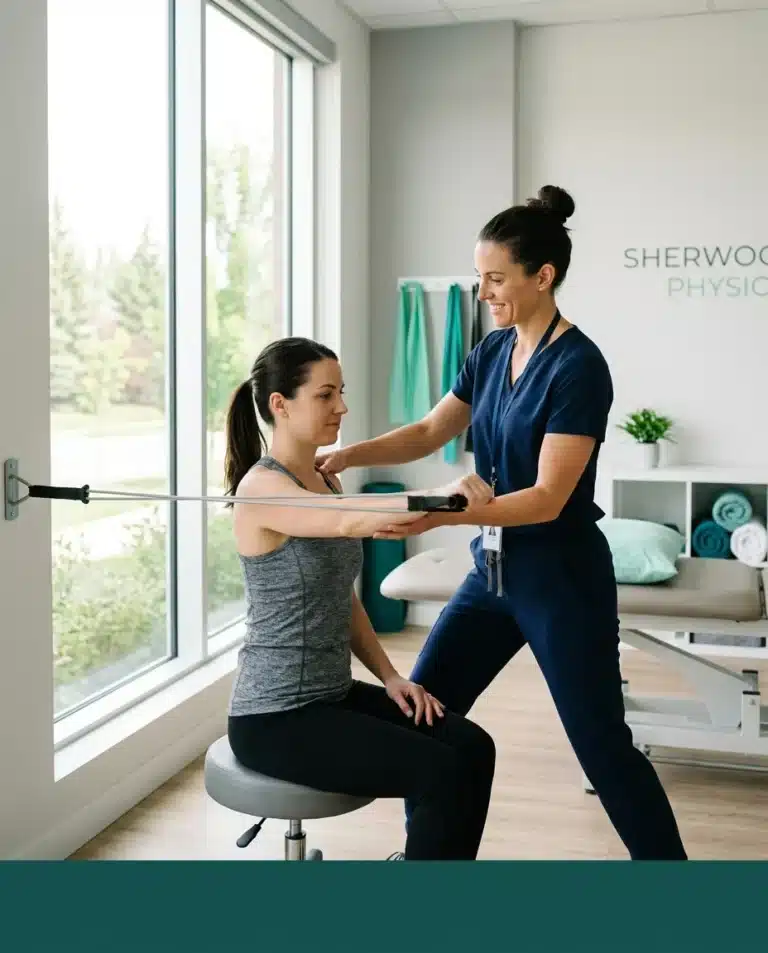
Back and neck pain related to spinal discs can affect every part of daily life, from sitting and walking to sleeping, lifting, and working comfortably. At Eastgate Physiotherapy, our Physiotherapy for Disc Disorders in Sherwood Park focuses on improving movement, reducing disc-related pain, and supporting safe recovery through individualized rehabilitation programs.
Disc conditions may involve the Cervical, thoracic, or lumbar regions of the spine and can include herniation, bulging, slipped discs, degeneration, disc inflammation, or nerve irritation. Whether you are dealing with lumbar disc disease, a ruptured disc, or symptoms of radiculopathy, our goal is to help restore mobility, improve spinal support, and guide your recovery from disc problems safely and progressively.
Schedule your appointment in minutes
One-on-one treatment tailored to your needs.
Evidence-based care to help you return stronger
Book An Appointment
Home / Services / Disc Disorders
The discs between the vertebrae act as cushions that help absorb pressure and support spinal movement. When discs become irritated, compressed, inflamed, or weakened, they may contribute to pain, stiffness, nerve irritation, or movement limitations.
Call us any time
(587) 200-4874
At Eastgate Physiotherapy, our rehabilitation programs are designed around the location of the disc issue, movement limitations, symptom severity, lifestyle demands, and long-term functional goals. Disc disorders can affect the Cervical, thoracic, or lumbar spine and may create pain, stiffness, weakness, numbness, or movement restrictions that interfere with work, exercise, sleep, and daily activities.
Lumbar disc disease commonly affects the lower back and may contribute to ongoing stiffness, reduced flexibility, muscle guarding, and disc related pain during sitting, bending, lifting, or prolonged standing. In some cases, irritation around the lumbar vertebrae may also create radiating symptoms into the hips, buttocks, or legs.
Cervical disc conditions affect the neck region and may lead to neck stiffness, headaches, upper-body tension, shoulder discomfort, or arm symptoms. Irritated cervical discs can sometimes contribute to numbness, tingling, or weakness extending into the hands and fingers, especially during prolonged desk work or poor postural positioning.
Thoracic disc dysfunction involves the mid-back area and may affect spinal rotation, breathing comfort, posture, and upper-body mobility. Individuals may experience stiffness between the shoulder blades, discomfort during twisting movements, or difficulty maintaining upright posture for extended periods.
A bulging disk occurs when disc tissue extends outward beyond its normal boundary. Depending on the location and severity of the bulging, symptoms may range from localized stiffness to nerve compression symptoms affecting nearby muscles and joints. Some individuals experience pain only during movement, while others notice discomfort even at rest.
Disc herniation develops when inner disc material pushes through the outer disc layer and irritates surrounding tissues or nerves. Herniation may contribute to muscle weakness, sharp pain, reduced movement tolerance, numbness, or radiating symptoms into the arms or the legs, depending on the affected spinal level.
The “slipped disc” term is commonly used to describe disc displacement or irritation within the spine. Symptoms may include reduced flexibility, pain during movement transitions, lower back strain, or nerve irritation that affects standing, walking, or sitting tolerance.
Degeneration refers to gradual wear and reduced hydration within spinal discs over time. Degenerative changes may reduce shock absorption between vertebrae and contribute to stiffness, reduced spinal flexibility, postural fatigue, and ongoing movement discomfort during everyday activities.
Disc protrusion occurs when disc tissue extends outward and places pressure on surrounding structures. Disc protrusion treatment often focuses on improving spinal mechanics, reducing irritation around nerves, improving posture, and restoring controlled movement patterns safely.
A ruptured disc may contribute to significant inflammation, reduced mobility, nerve irritation, and weakness. Recovery from disc problems involving a ruptured disc often requires gradual movement retraining, strengthening, flexibility restoration, and careful activity progression to support healing without overloading sensitive tissues.
Radiculopathy develops when spinal nerves become irritated or compressed due to disc inflammation, herniation, or bulging. Symptoms may include burning pain, tingling, numbness, weakness, or altered sensation travelling into the arms, hands, legs, or feet.
Disc irritation often causes surrounding muscles to tighten protectively, leading to lower back strain and movement fatigue. Lower back strain treatment may focus on improving spinal support, reducing muscular overload, and restoring more efficient movement patterns.
Inflamed spinal discs may create persistent stiffness, movement sensitivity, and pain during daily tasks. Disc inflammation treatment support focuses on controlled movement progression, postural management, and improving spinal tolerance to activity.
Some individuals experience disc involvement at multiple spinal levels simultaneously. Multi-level disc conditions may affect posture, balance, movement coordination, lifting tolerance, and overall spinal endurance throughout the day.
Poor sitting posture, repetitive lifting, prolonged driving, or physically demanding work may increase pressure across spinal discs over time. These repetitive loading patterns can contribute to chronic disc-related pain and movement limitations if not properly managed.
Disc problems affecting the lower spine may alter walking mechanics and create compensations throughout the hips, knees, and legs. Some individuals develop difficulty with prolonged walking, stairs, balance, or standing tolerance due to ongoing spinal irritation.
At Eastgate Physiotherapy, our Physiotherapy for Disc Disorders in Sherwood Park focuses on reducing disc-related pain, improving spinal mobility, restoring movement confidence, and helping you return to daily activities safely. Treatment is adjusted based on whether symptoms involve the Cervical, the thoracic, and lumbar spine, as well as the severity of nerve irritation, inflammation, and movement limitation.
We begin by assessing how your spine, vertebrae, muscles, and joints move during sitting, bending, lifting, walking, and transitional movements. This helps us identify positions or movement habits contributing to disc irritation, bulging, herniation, or lower back strain.
For individuals with lumbar disc disease or lower back instability, we focus on improving lumbar support through posture correction, spinal control exercises, and core activation strategies. Better spinal support can reduce excessive pressure on irritated discs during everyday activities.
Lumbar decompression strategies are used to reduce pressure around sensitive spinal structures and irritated nerves. Gentle positioning, controlled unloading movements, and lower back decompression stretches may help reduce compression-related discomfort and improve movement tolerance.
Our disc recovery programs include carefully progressed movements designed to improve spinal flexibility, muscular support, and movement coordination. Exercises are introduced gradually to support recovery from disc problems without aggravating symptoms.
For lumbar disc irritation, we provide guided exercises for bulging disks in lower back conditions that focus on spinal control, posture, and movement correction. These exercises help improve stability while reducing repeated stress on sensitive tissues.
Compression around spinal discs and nerves can create stiffness, weakness, or radiating symptoms. Back exercises for compressed discs focus on improving mobility, reducing muscular guarding, and restoring more balanced movement patterns throughout the spine.
Recovery after a ruptured disc often requires gradual progression rather than aggressive exercise. We guide individuals through controlled mobility work, stabilization exercises, walking progression, and strengthening routines that support healing while protecting irritated structures.
For Cervical disc conditions, treatment focuses on improving neck mobility, posture, muscle coordination, and upper-body movement mechanics. Cervical rehabilitation may also address headaches, shoulder tension, and arm symptoms associated with nerve irritation.
Thoracic disc dysfunction may affect posture, breathing comfort, and spinal rotation. We use thoracic mobility exercises, posture correction, and controlled spinal movement training to improve upper-back flexibility and reduce stiffness during daily activities.
When disc irritation affects nearby nerves, symptoms such as tingling, numbness, burning pain, or weakness may occur. Treatment for radiculopathy focuses on reducing nerve irritation, improving movement tolerance, and restoring safe functional movement.
Hands-on therapy may be used to reduce surrounding muscle tightness, improve joint mobility, and decrease protective tension around irritated spinal areas. Gentle manual techniques can help improve comfort during movement and daily activities.
Weak trunk muscles may increase strain on spinal discs. We use progressive strengthening exercises to improve core support, spinal control, and overall movement efficiency during lifting, walking, bending, and prolonged sitting.
Workstations, lifting habits, driving posture, and repetitive movement patterns can all influence spinal loading. We provide education on posture, sitting tolerance, sleeping positions, and movement strategies to reduce ongoing stress on spinal discs.
Disc injuries often affect how people bend, twist, stand, walk, or lift. Functional retraining focuses on improving these daily movement patterns safely while minimizing repeated spinal strain.
Not every exercise is appropriate during disc recovery. We guide you on bulged disc exercises to avoid, especially movements that may increase compression, irritation, or excessive spinal loading during the healing process.
As symptoms improve, we help you safely return to work duties, gym activities, household tasks, and recreational movement through structured progression based on your tolerance and recovery stage.
Recovery timelines changes depending on the severity of the disc condition and nerve involvement. Throughout your Physiotherapy for Disc Disorders in Sherwood Park program, we monitor symptom changes, mobility improvements, strength gains, and activity tolerance to ensure your rehabilitation progresses safely and steadily.
Many people search for bulged disc exercises to avoid because certain movements may increase irritation during recovery.
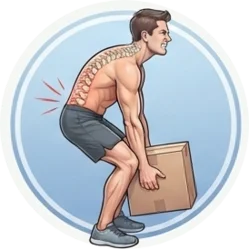
Improper lifting may increase stress on irritated discs and spinal tissues.
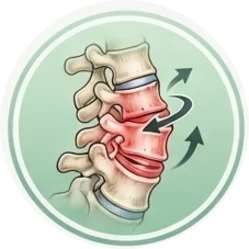
Rapid rotation under load may aggravate disc-related pain.
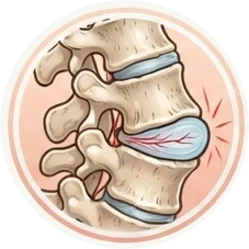
Repeated deep bending may increase pressure around sensitive lumbar discs for some individuals.
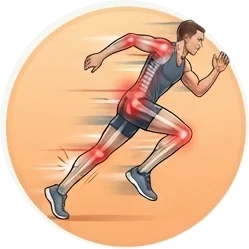
Running, jumping, or heavy impact exercise may temporarily worsen symptoms during acute irritation.
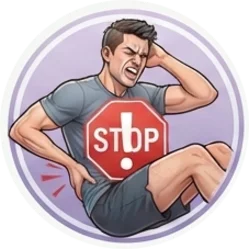
Exercises should be progressed gradually rather than forcing painful movement patterns.
Recovery timelines change depending on the severity of disc involvement, nerve irritation, activity demands, and overall health.
Initial care focuses on reducing irritation, restoring gentle mobility, and improving movement tolerance.
As symptoms improve, exercises focus more on spinal stability, lumbar support, and endurance.
Treatment progresses toward lifting, walking, sitting tolerance, work tasks, and recreational activities.
Some people recover within weeks, while others require longer-term support for disc recovery and movement retraining.
Ongoing mobility work and strengthening may help reduce recurring flare-ups and support long-term spinal health.
At Eastgate Physiotherapy, care begins by understanding how your disc disorder affects your movement, posture, work activities, and daily function.
We evaluate spinal mobility, posture, strength, nerve symptoms, flexibility, and movement patterns.
Your program is tailored to the location of the disc disorder and your functional goals.
Treatment intensity progresses based on symptom response and movement tolerance.
We work on practical movement tasks such as walking, lifting, bending, sitting, and transfers.
Education on posture, lumbar support, and movement habits helps support long-term recovery from disc problems.
Eastgate Physiotherapy is authorized to provide physiotherapy services through WCB, AHS, and motor vehicle collision injury claims. Coverage options may vary depending on your condition and insurance plan.

Work-related lower back strain, lifting injuries, or disc conditions may qualify for WCB-supported physiotherapy.

Eligible patients may qualify for AHS-supported physiotherapy services.

Disc injuries following motor vehicle collisions may be covered through approved insurance claims.

Many private insurance plans include physiotherapy coverage for disc related pain and rehabilitation.

Our team will help and guide you through insurance questions and available claim options.
Disc disorders can affect movement, work, sleep, and overall quality of life, but structured rehabilitation may help improve mobility, reduce discomfort, and support safer movement patterns. At Eastgate Physiotherapy, our Physiotherapy for Disc Disorders in Sherwood Park focuses on individualized care that supports recovery from disc problems while helping you return to daily activities with greater confidence.
If you are experiencing disc related pain, lumbar disc disease, a bulging disk, radiculopathy, or ongoing lower back strain, contact Eastgate Physiotherapy today to begin your Physiotherapy for Disc Disorders in Sherwood Park program.
Satish Pandya has over 35 years of physiotherapy experience and encourages patients to take an active role in their recovery. His background includes spinal rehabilitation, sports injury recovery, vestibular rehabilitation, acupuncture, and movement-focused physiotherapy care for complex musculoskeletal conditions.
Disc-related pain often develops when the spinal discs between the vertebrae become irritated, weakened, or damaged. Conditions like lumbar disc disease, herniation, bulging disks, degeneration, or a ruptured disc can place pressure on nearby nerves and soft tissues. At Eastgate Physiotherapy, we assess the root cause of the discomfort and create personalized treatment plans to reduce pain and restore movement safely.
Physiotherapy for Disc Disorders in Sherwood Park helps reduce inflammation, improve spinal mobility, strengthen supporting muscles, and relieve nerve pressure. At Eastgate Physiotherapy, treatment may include manual therapy, posture correction, lumbar decompression exercises, and guided rehabilitation programs designed specifically for disc recovery.
A bulging disk occurs when the disc extends outward but remains intact, while a herniated disc happens when the inner material pushes through the outer layer. Both conditions can irritate nerves and cause disc related pain, numbness, or weakness. Physiotherapy helps manage symptoms and improve spinal function in both cases.
Yes. Lumbar disc disease can compress spinal nerves in the lower back, causing radiating pain, tingling, numbness, or weakness into the hips, legs, or feet. This is commonly associated with radiculopathy or sciatica. Eastgate Physiotherapy uses targeted exercises and decompression techniques to relieve pressure on affected nerves.
As we age, spinal discs naturally lose hydration and flexibility, making them more vulnerable to degeneration and injury. This can reduce shock absorption between vertebrae and contribute to stiffness or chronic lower back strain. Physiotherapy helps maintain mobility and spinal stability during the aging process.
In many cases, yes. A slipped or bulging disk can improve with conservative care such as physiotherapy, posture correction, strengthening exercises, and activity modification. At Eastgate Physiotherapy, we focus on reducing pain and improving recovery from disc problems without unnecessary surgery whenever possible.
A ruptured disc may leak material that irritates or compresses nearby nerves, causing inflammation, pain, numbness, or muscle weakness. Symptoms depend on whether the issue affects the cervical, thoracic, or lumbar spine. Physiotherapy can help reduce nerve irritation and restore normal movement patterns.
Cervical disc issues often cause neck pain, stiffness, headaches, shoulder discomfort, arm tingling, and weakness. Some patients also experience dizziness or reduced range of motion. Eastgate Physiotherapy uses cervical mobility exercises and postural retraining to relieve symptoms and improve function.
Yes. Although less common, thoracic disc herniation can create pain around the ribs, chest, or upper back due to nerve irritation in the thoracic spine. Physiotherapy can help reduce muscle guarding and improve spinal mobility to ease discomfort.
Eastgate Physiotherapy provides individualized care plans that may include lumbar decompression, strengthening exercises, manual therapy, mobility work, and education on posture and body mechanics. The goal is to reduce inflammation, improve stability, and support long-term disc recovery.
Radiculopathy occurs when the spinal nerve becomes compressed or inflamed, often due to a bulging disk or herniation. Symptoms may include radiating pain, tingling, numbness, or weakness in the arms and the legs, depending on the affected vertebrae.
A bulging disk can press on nearby nerves, disrupting normal nerve signals and creating tingling, burning, or numb sensations. Physiotherapy helps reduce pressure on nerves and improve mobility around the spine.
Yes. Disc protrusion may weaken muscles or irritate nerves involved in balance and coordination. Severe lumbar disc disease can alter walking patterns and posture. Rehabilitation focuses on strengthening and restoring proper movement mechanics.
Increasing pain, worsening numbness, muscle weakness, reduced mobility, or loss of bladder or bowel control will indicate worsening disc inflammation and require immediate medical attention. Eastgate Physiotherapy monitors symptoms carefully during treatment.
Prolonged sitting increases pressure inside spinal discs, especially in the lower back. Poor posture may also strain surrounding muscles and ligaments. Physiotherapy teaches posture correction and movement strategies to reduce spinal stress.
Yes. Cervical disc herniation may irritate nearby nerves and muscles, contributing to tension headaches, neck stiffness, and shoulder discomfort. Manual therapy and mobility exercises often help relieve these symptoms.
Lower back strain weakens the muscles that stabilize the spine, forcing discs to absorb more stress during movement. Over time, this may contribute to degeneration or disc protrusion. Strengthening exercises improve spinal support.
Yes. Nerve compression from lumbar disc disease can interrupt signals to leg muscles, leading to weakness or instability. Physiotherapy aims to restore nerve mobility and muscle activation safely.
Sneezing and coughing briefly increase spinal pressure, which may aggravate inflamed or compressed discs. Patients with herniation or bulging disks commonly notice temporary increases in pain during these actions.
Absolutely. Disc-related pain often causes compensatory posture changes that place uneven stress on muscles and joints. Physiotherapy focuses on posture correction to improve spinal alignment and reduce recurring strain.
Gentle core strengthening, pelvic tilts, walking, and controlled lumbar stabilization exercises are commonly recommended. Eastgate Physiotherapy customizes exercise programs based on your symptoms and recovery stage.
Exercises that promote spinal decompression, gentle extension, and core stability often help reduce pressure on compressed discs. A physiotherapist ensures exercises are performed safely without worsening symptoms.
Stretching techniques such as child’s pose, knee-to-chest stretches, and supported spinal extension may help relieve lumbar tension. Eastgate Physiotherapy teaches safe decompression stretches tailored to your condition.
High-impact exercises, deep twisting motions, heavy lifting, and repetitive bending should often be avoided early in recovery. These activities may increase disc irritation and inflammation.
Strong core muscles reduce strain on spinal discs by improving posture and supporting the lumbar spine during daily activities. Physiotherapy focuses heavily on safe core activation during disc recovery.
Yes. Controlled rehabilitation exercises help reduce inflammation, improve circulation, and strengthen supportive muscles around the spine. This can decrease pain and improve movement over time.
Mobility exercises prevent stiffness, maintain circulation, and improve spinal flexibility without overstressing injured tissues. Staying appropriately active supports healing better than prolonged inactivity.
During flare-ups, exercises are adjusted to reduce spinal loading and inflammation while maintaining safe movement. Eastgate Physiotherapy carefully progresses activity levels based on symptom response.
Yes. Overstretching can irritate inflamed nerves and discs, especially during acute injury stages. Proper guidance ensures exercises remain safe and effective.
Exercise therapy strengthens supporting muscles, improves flexibility, reduces pressure on discs, and restores healthy movement patterns. Consistent physiotherapy often helps patients avoid surgical intervention.
Lumbar decompression techniques gently reduce pressure within spinal discs and surrounding nerves. This may relieve pain caused by bulging disks, herniation, or degeneration.
Manual therapy improves joint mobility, reduces muscle tension, and decreases stiffness around affected spinal segments. This can improve movement and reduce pain associated with disc protrusion treatment.
Yes. Controlled exercises, movement therapy, posture correction, and manual techniques can improve circulation and reduce inflammation naturally without relying solely on medication.
Each patient receives an individualized assessment focused on symptoms, mobility, strength, posture, and daily activity demands. Treatment plans are adjusted regularly to support safe and effective disc recovery.
Lumbar support helps reduce strain on spinal discs during sitting, lifting, and prolonged standing. Physiotherapists also teach body mechanics to improve long-term spinal protection.
Ice may help reduce acute inflammation, while heat can relax tight muscles and improve circulation during later recovery stages. Your physiotherapist will recommend the best approach based on symptoms.
Joint mobilization and stretching techniques help restore movement between vertebrae while reducing stiffness and muscle guarding around affected discs.
Yes. Ongoing disc problems often alter posture and movement patterns, causing repetitive strain on surrounding muscles and ligaments. Physiotherapy addresses both the disc injury and related muscle imbalances.
Good posture distributes pressure evenly across the spine and reduces excessive loading on injured discs. Eastgate Physiotherapy provides ergonomic guidance and postural retraining exercises.
Absolutely. Strengthening, mobility training, and education on safe movement mechanics can reduce the likelihood of future disc injuries or flare-ups.
Recovery time depends on the severity of the disc injury, overall health, and consistency with treatment. Some patients improve within weeks, while chronic conditions may require several months of rehabilitation.
Heavy lifting, repetitive bending, high-impact exercise, and prolonged sitting should often be limited during early recovery to prevent worsening inflammation.
Yes. Progressing activity too aggressively may irritate healing tissues and delay recovery. Physiotherapists guide safe return-to-activity timelines.
Treatment improves flexibility, mobility, posture, and muscle control, making everyday tasks like walking, sitting, lifting, and sleeping more comfortable.
Yes. While degeneration cannot always be reversed, physiotherapy can successfully manage symptoms, maintain mobility, and slow functional decline.
Sleeping on your back with knee support or on your side with a pillow between the knees may help reduce spinal pressure and improve comfort.
Poor weight distribution and posture increase uneven stress on spinal discs, accelerating wear and discomfort. Physiotherapy helps restore balanced movement patterns.
Early treatment may reduce inflammation, improve mobility, prevent chronic pain, and speed up overall recovery from disc problems.
Targeted exercises restore spinal movement, reduce stiffness, and strengthen surrounding muscles to improve long-term flexibility and mobility.
You should seek physiotherapy if disc-related pain lasts more than a few days, radiates into the limbs, causes weakness, or interferes with normal activities. Early intervention at Eastgate Physiotherapy can help prevent long-term complications.
Reviews are published by patients on Google and shown unedited. Eastgate’s physiotherapists are registered physiotherapists, not physicians.
Excellent rating
Based on 84 reviews

Trustindex verifies that the original source of the review is Google.
Satish has helped me with numerous issues including a needle-stick injury, a back issue and sciatica. He is an expert in his field who is willing to share his knowledge. His treatments are effective, safe and he has been able to restore my movement every time I have been under his care. I highly recommend Satish for your physiotherapy needs. Shaunna BradshawI had an excellent experience at East Gate Physiotherapy in Sherwood Park. Satish was incredibly knowledgeable, professional, and genuinely caring. He took the time to understand the source of my intense pain and explained everything clearly while providing effective, targeted treatment. I noticed meaningful pain relief and improvement much faster than I expected. I truly felt listened to and supported throughout the entire process. I highly recommend Satish and the team at East Gate Physiotherapy to anyone dealing with pain or injury.
 Amy BinningI’m writing this review as the daughter of a patient, and I can’t say enough good things about Satish at East Gate Physiotherapy in Sherwood Park. My mom had been in severe pain for weeks and wasn’t able to sleep or even walk properly. Satish took so much time with her, showed incredible patience and compassion, and treated her with acupuncture that brought real relief. Seeing my mom finally get some rest and regain mobility was such a relief for our family. We’re incredibly grateful for the care, knowledge, and genuine kindness he showed. I would highly recommend Satish to anyone looking for thoughtful, effective treatment. He is not extremely thorough, knowledgeable and caring.
 Jesse BinningVery through and professional
 Jeff DaweDr. Pandya is professional, caring and good listener. He explain about injury and how to treat them. I can see the experience and expertise works together for my problem. Thank you.
 Jig PatelI would highly recommend Eastgate Physiotherapy clinic in Sh. Park. The staff is very friendly and knowledgeable, and they take very good care of you.
 Christina AdmiraalVery welcoming and helpful. First off when I came to inquire , the receptionist was pleasant and helpful with my questions I had. As for my therapist he was very polite , listened and showed great care . Answered my questions and didn't feel like I was being rushed. Thank you Dr. Satish Pandya and staff . My experience was amazing.
 Dee Smith
Start Your Recovery Today
From assessment to full recovery, our registered practitioners provide personalised care in Sherwood Park. No referral needed, direct billing available.