

5 Tips for Managing Dizziness with Vertigo Rehabilitation Techniques
- Mon May 18
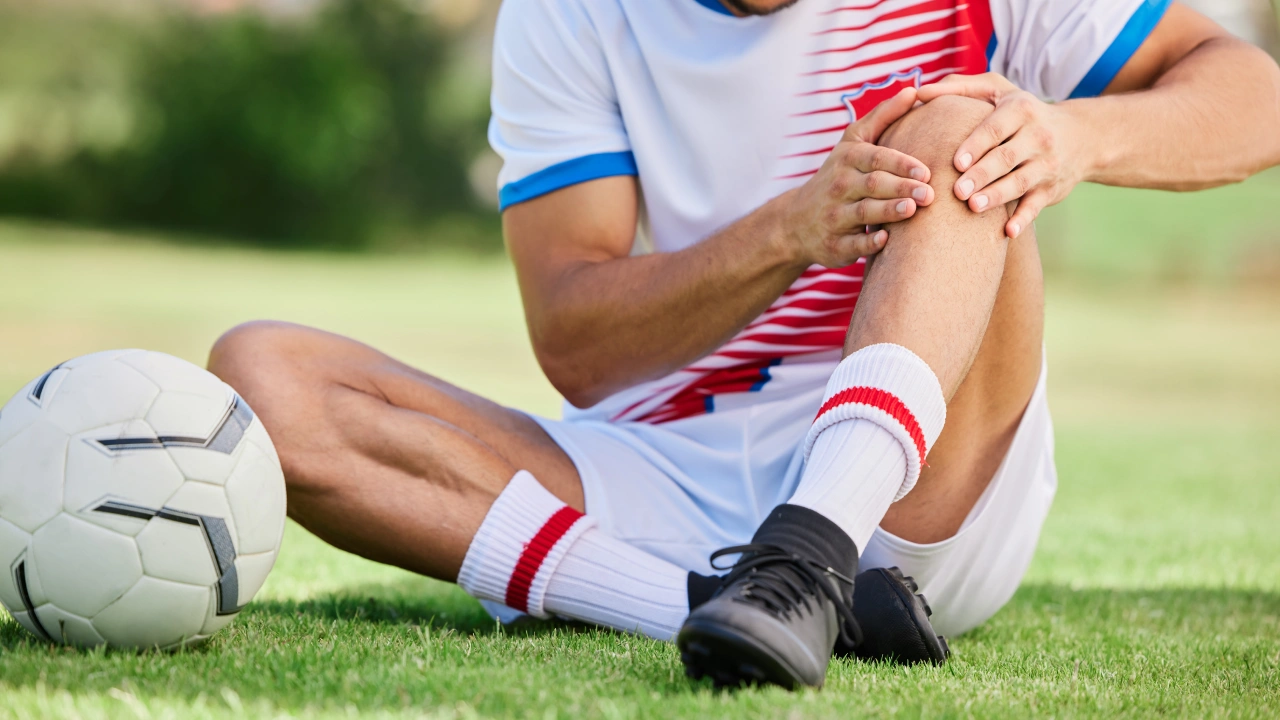
A sore ankle after a match, a tight shoulder after gym training, or a knee that feels off after running can seem minor at first. Many people expect these issues to settle with a few rest days, but that doesn’t always happen. When Sports Injuries keep returning or don’t settle, it often raises questions about what is actually going on beneath the surface.
In Sherwood Park, where running, hockey, gym training, and outdoor activities are common, many people try to push through ongoing discomfort. This is usually when people start searching for answers about Sports Injuries, especially when movement feels limited or unpredictable.
When Sports Injuries do not fully recover, the affected muscles, joints, or connective tissues may not move as they used to. This can lead to uneven movement patterns, stiffness, and reduced strength.
Over time, the body may begin to rely on surrounding areas to compensate. For example, a sore knee may cause extra load on the hip or ankle. This shift in movement can create new discomfort in areas that were previously fine.
Even simple daily actions like climbing stairs, squatting, or turning quickly can start to feel restricted when Sports Injuries are not fully settled.
There are several common reasons why Sports Injuries continue to show up again after short rest periods:
In many cases, Sports Injuries are not caused by a single moment but by repeated stress over time. When early signs are overlooked, the issue can continue to build.
When Sports Injuries begin affecting movement, structured support can help identify the root cause and guide recovery steps.
Certain habits can extend the timeline of Sports Injuries:
These patterns often cause Sports Injuries to recur rather than fully resolve.
In Sherwood Park, active routines often include gym sessions, recreational sports, cycling, running paths, and seasonal outdoor activities. Work routines that involve lifting or long hours of sitting also play a role.
These daily demands can repeatedly stress joints and muscles, which is why Sports Injuries are frequently seen in the shoulders, knees, lower back, and ankles. Many individuals notice that Sports Injuries flare up during seasonal changes in activity or after returning to training after breaks.
Without proper adjustment in movement habits, Sports Injuries can continue to cycle between improvement and return.
If discomfort lasts more than a few days or returns with movement, it may be time to look closer at Sports Injuries.
Yes, structured movement care is often used when Sports Injuries continue over time.
Recovery time varies depending on the type and level of Sports Injuries.
In many cases, a referral is not required for the evaluation of sports injuries.
Running, hockey, gym training, and field sports are commonly linked with Sports Injuries.
Ongoing stiffness, recurring discomfort, or changes in movement should not be ignored, especially when they continue to affect daily activities or sports participation. When Sports Injuries keep returning, identifying the cause early can help reduce repeated strain and movement limitations.
We are located at 937 Fir St, Suite #100, Sherwood Park, AB T8A 4N6, Canada, and support individuals dealing with movement concerns related to Sports Injuries.
Call Eastgate Physiotherapy Clinic to review ongoing Sports Injuries and take the next step toward restoring comfortable movement in daily life and sport.