


10 Sports Injuries Concerns Physios Help Manage Through Movement Work
- Mon Nov 17

Dizziness, imbalance, and vertigo can disrupt even the simplest tasks—standing up, walking, or moving your head can feel disorienting. For many people, these symptoms stem from inner ear disorders or neurological issues. Vestibular rehabilitation is an approach designed to support individuals experiencing these challenges by focusing on balance training and sensory coordination.
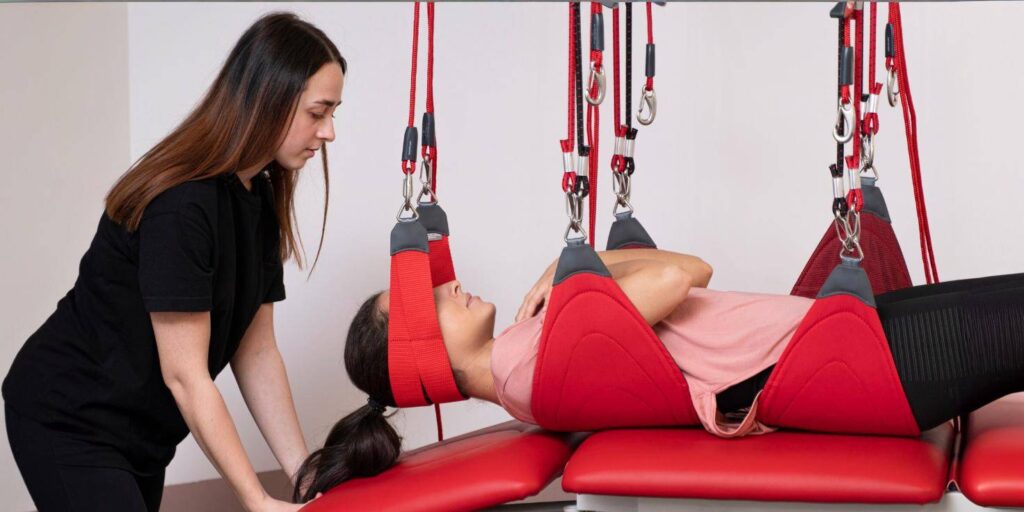
This therapy is increasingly sought after for its role in restoring movement and function when the vestibular system—responsible for balance and spatial orientation—is compromised.
Vestibular rehabilitation is a form of therapy targeting the vestibular system, which includes parts of the inner ear and brain that manage balance and eye movements. When this system is not working correctly, people may experience vertigo, dizziness, nausea, or a general feeling of being off-balance.
The primary goal is to improve coordination between the eyes, brain, and body. Using exercises that help retrain the nervous system, therapists guide patients through a structured plan that promotes physical stability and reduces dizziness over time.
In clinics offering vestibular rehabilitation, programs are typically guided by trained physiotherapists who understand how the body responds to balance disturbances and how to guide recovery safely.
Several health conditions can affect the vestibular system. While causes vary, some of the most commonly treated conditions through vestibular rehabilitation include:
Each case is different, but vestibular rehabilitation is often structured around the individual’s specific symptoms and limitations.
Therapists begin with an initial assessment to understand the scope of the problem. This includes reviewing symptoms and medical history, and performing physical tests to evaluate balance, coordination, eye movements, and head control.
Once the assessment is complete, a set of exercises is introduced. These may include:
The pace is adjusted depending on how the person responds. Clinics that provide vestibular rehabilitation focus on measurable improvements, making it easier to track progress and adjust as needed.
Staying active, even while experiencing symptoms, is vital for progress. Many people find that avoiding movement due to fear of falling or dizziness actually worsens the condition over time. Regular participation in therapy builds tolerance and helps recalibrate the body’s sense of balance.
One of the strengths of vestibular rehabilitation is that it encourages safe movement in a controlled setting. With professional support, individuals can slowly regain trust in their ability to move without instability.
There are several reasons people seek out vestibular rehabilitation
The setting plays a significant role in healing. Familiar, supportive environments can make it easier to stay motivated and attend sessions regularly.
Progress in vestibular rehabilitation can vary. Some people notice improvements in just a few sessions, especially if they’re dealing with BPPV. Others with more complex conditions might require several weeks of consistent effort.
As therapy continues, symptoms such as dizziness, motion sensitivity, and difficulty focusing often begin to fade. Many individuals report being able to return to work, enjoy walks again, or participate in recreational activities that were once off-limits.
Clinics offering vestibular rehabilitation often integrate goal setting and progress tracking. This helps maintain momentum and keeps both the therapist and the client aligned on outcomes.
If you’re beginning vestibular rehabilitation, here are a few tips to support your journey:
The more engaged you are in the process, the more likely you are to see steady improvement.
Living with dizziness or balance issues can feel frustrating and limiting. But taking the first step toward recovery—often by seeking out vestibular rehabilitation —can mark a real turning point. Whether you’re recovering from a specific injury, managing a chronic condition, or addressing age-related imbalance, this type of therapy provides an opportunity to reconnect with movement and daily routines.
With guidance, a structured plan, and consistency, you can gradually return to the activities you enjoy. It’s not about rushing results—it’s about creating stability one step at a time.